







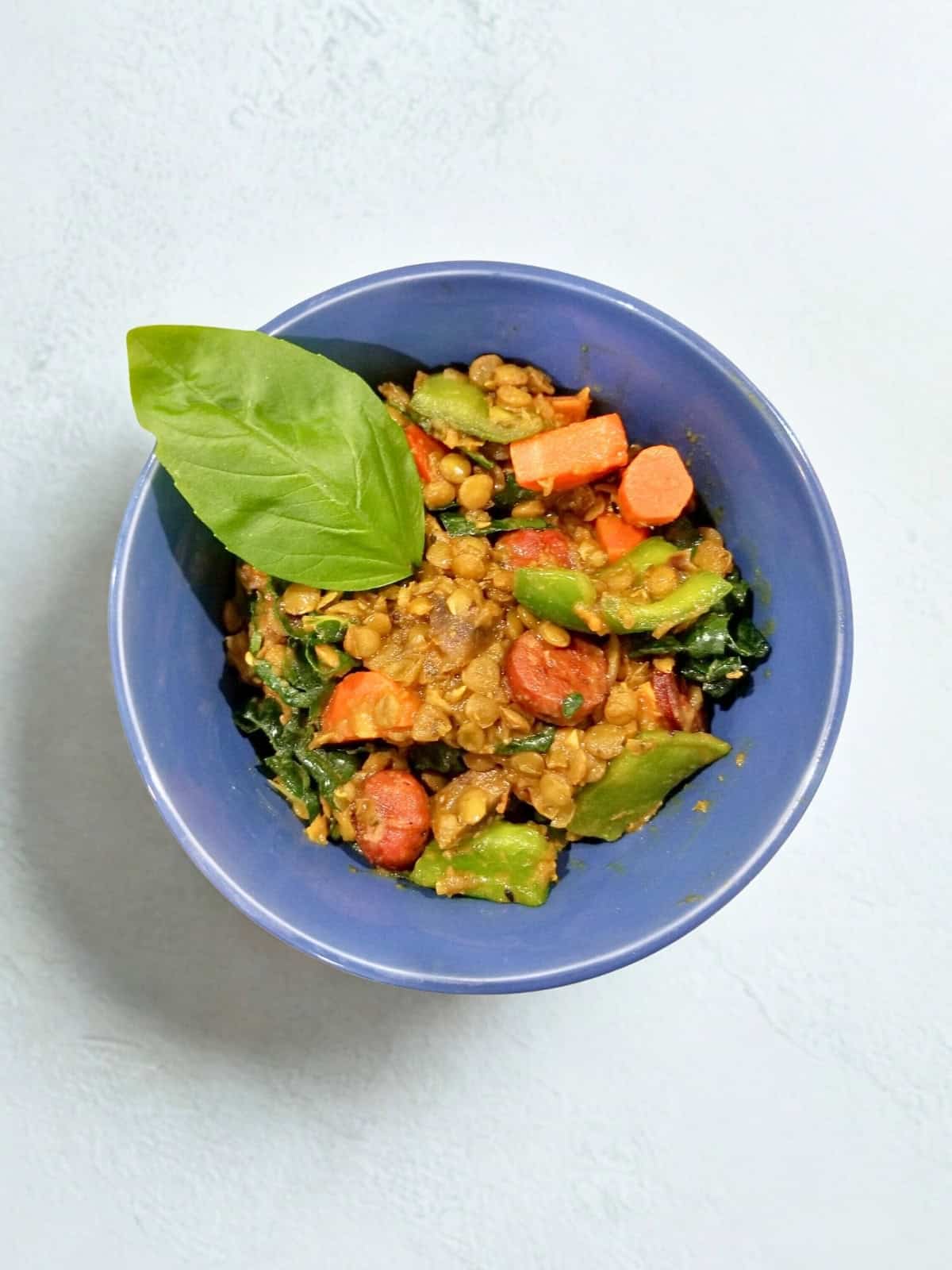
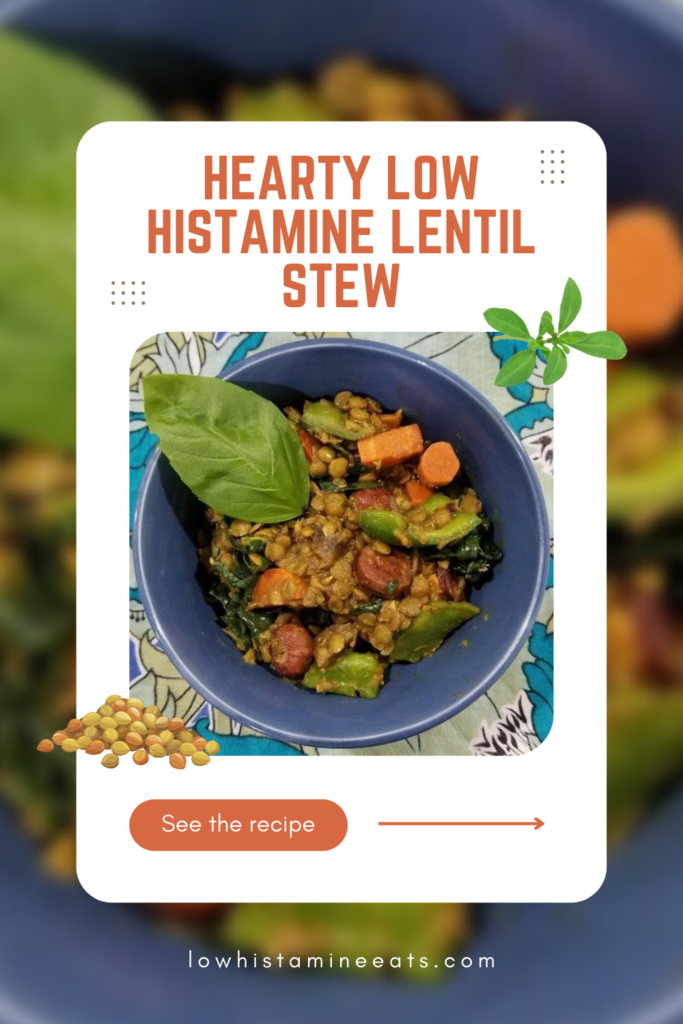
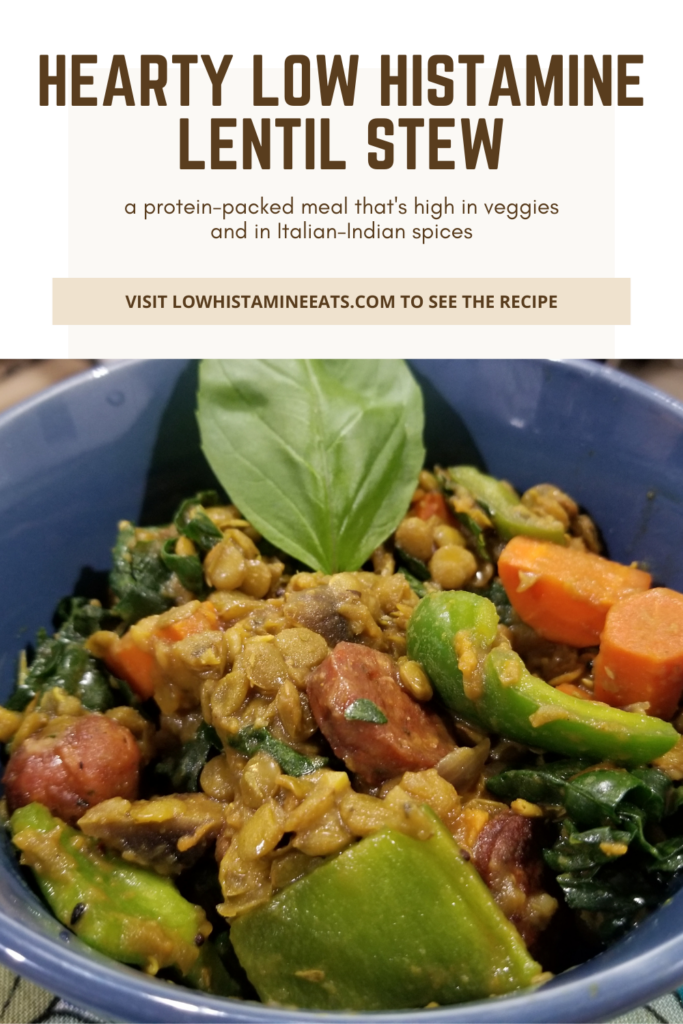
This hearty Spanish Lentil Stew is a flavorful, low-histamine recipe perfect for those avoiding tomatoes and seeking a comforting meal. Easily adaptable to vegan diets by using vegetable broth and omitting sausage, it’s packed with wholesome lentils and warm spices. Whether you’re following a low-histamine lifestyle or simply craving a rich, satisfying stew, this recipe offers bold flavors and nourishing ingredients in every bowl.
If you're looking for other comforting dishes, check out my chicken & squash stew and chicken curry without garam masala.
Jump to:
✔️ Why This Recipe is Great
Antihistamine Spice: Between the coriander, the turmeric, the nigella, the garlic, and the onion, this Spanish lentil stew is packed with strongly antihistamine foods. This means that they contain plant chemicals which inherently help your body calm histamine production.
Versatile Recipe: You can omit or use any mix of vegetables, meats, and spices that you like, but I'd recommend sticking with the rough amounts outlined below.
🥕 Ingredients
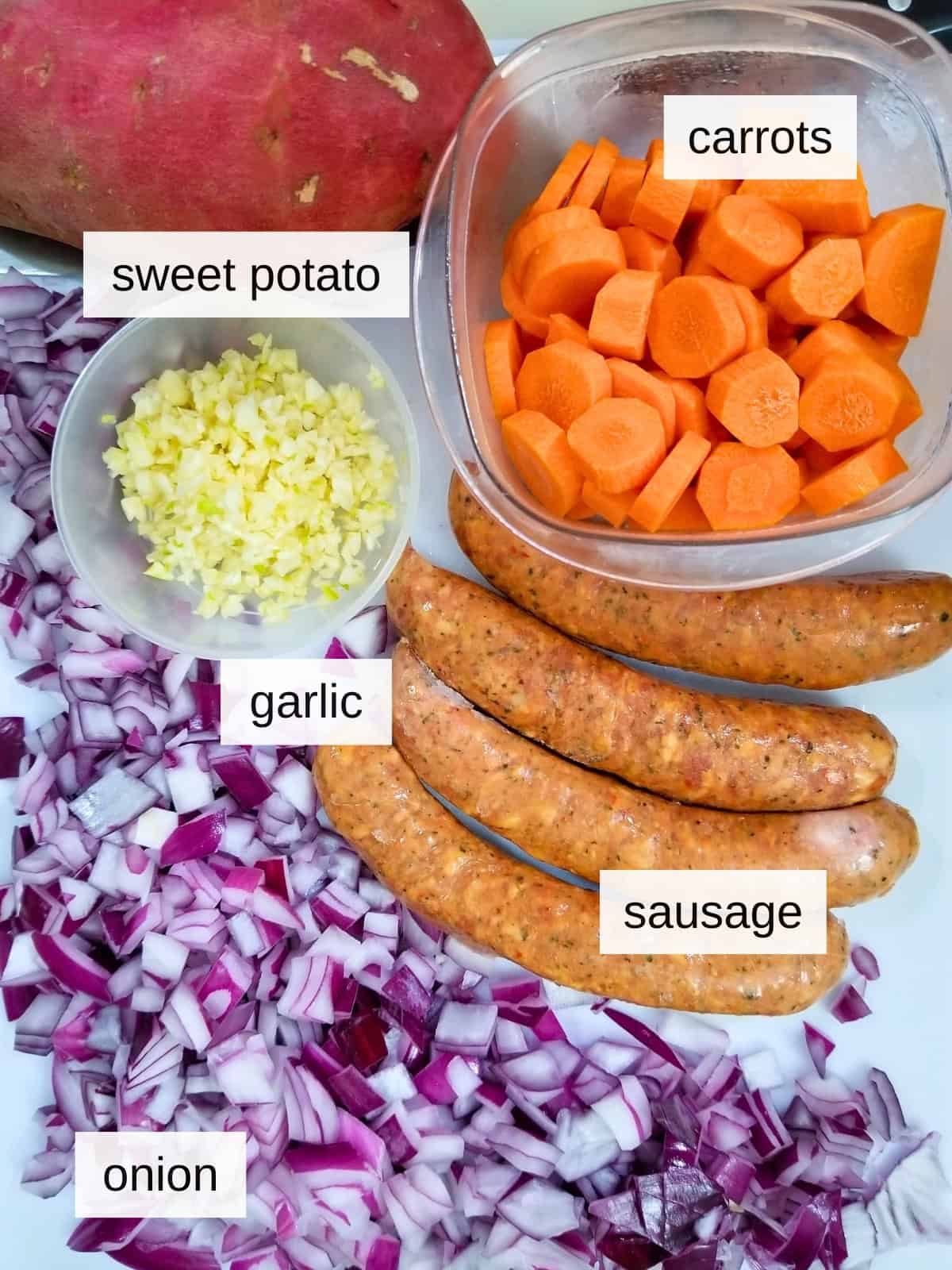
Sausage: adds a rich, savory depth and smoky flavor to the stew; use fresh or uncured varieties for best results or omit for a vegan option.
Lentils: the hearty, protein-packed base of the stew, lentils absorb flavors beautifully and provide a satisfying, comforting texture.
Onion: sweet onion forms half the base for this stew, breaking down and browning beautifully at various stages of the cooking process.
Raw Garlic: when chopped, this adds a bite of umami and sharpness to the lentil stew, as well as strongly antibacterial properties.
Mustard Seeds: tiny seeds that release a subtle pungency and warmth when cooked, adding complexity and a slight kick to the stew.
Nigella Seeds: also known as Nigella sativa, these small black seeds go by many names, one of the most fitting being black cumin. The flavor is toasty and umami, somewhere between cumin and wild oregano.
Vegetable Broth or Stock: you can use any type you prefer or can tolerate, like my vegetable broth from scraps, or you can even use water, but whatever you choose it will add more depth of flavor to the final dish.
Carrots and Sweet Potato: these root vegetables pair beautifully with the spices in this stew, but can be swapped for almost any other vegetable.
Tamarind Paste: a tangy, slightly sweet paste that brightens the stew with its unique sour flavor, balancing the richness of the lentils and spices.
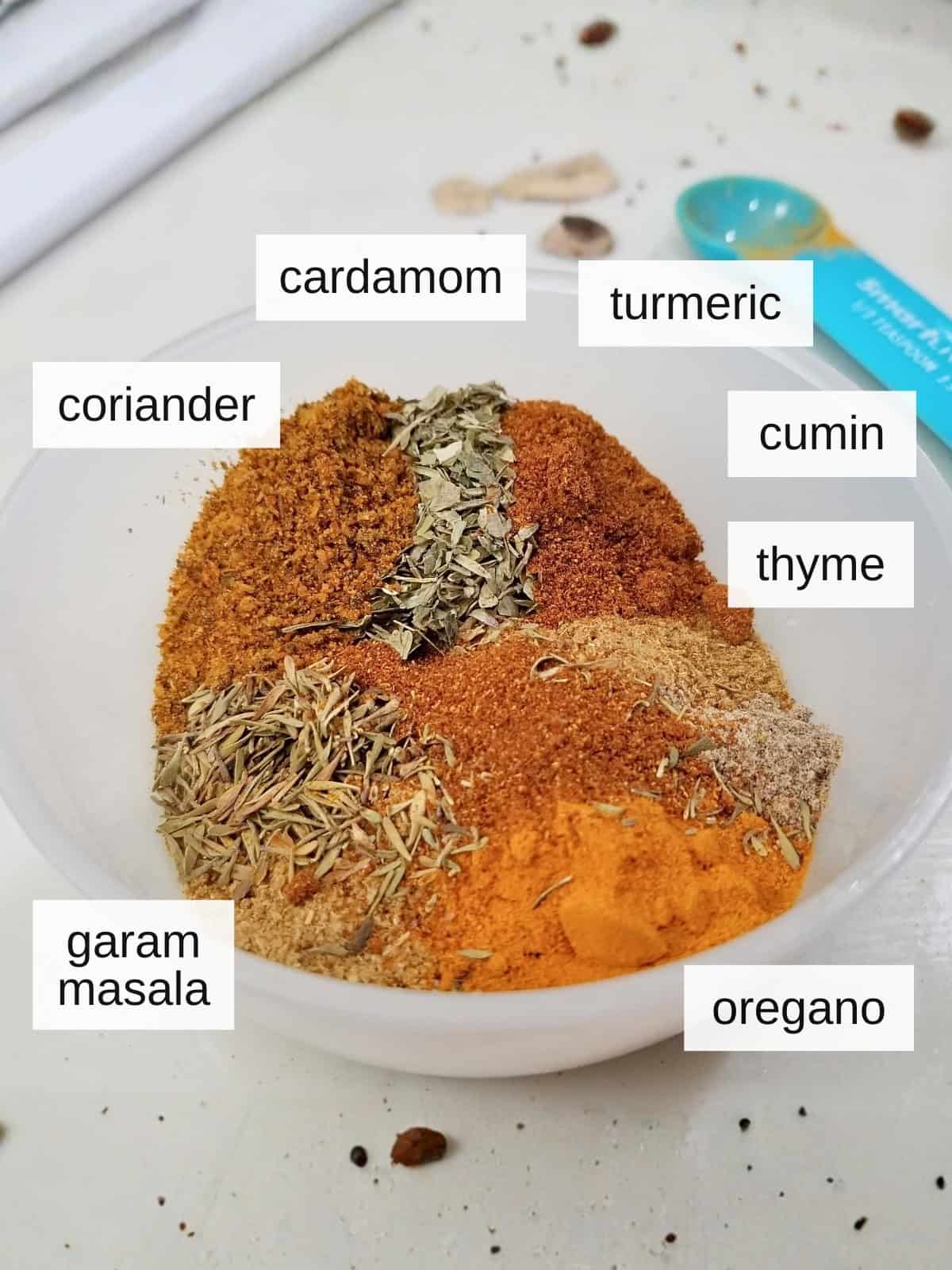
Thyme, Oregano, Cumin, Coriander, Turmeric, & Cardamom: these are my herbs & spices of choice to complement this particular dish, but that's mainly because it's what I already have in my pantry & garden. If you have other favorites on hand, you can choose any fresh herbs and spices which tickle your taste buds.
*Garam Masala: this optional ingredient adds a ton of flavor from very little material (about one large pinch per serving), but if you want to leave out the garam masala and substitute it with something else, either ground nigella seeds or any substitute for nigella seeds would make for a great pick to keep the flavor high.
Bell Peppers (Capsicum): considering how commonly bell peppers are used as a replacement for tomatoes, they are unsurprisingly the base of this recipe. These fresh low histamine veggies form a base for this 'nomato' stew, making for a hearty replacement.
Kale: since you can only use the leaves and not so much the spines, you can fit a lot of kale into this dish. But if you can't get your hands on any flat-leafed kale, you can use any other cruciferous vegetable in its place.
Lemon Juice: the kick of acid from the lemon juice really accentuates the complexity of each spice's flavor, without adding too much flavor of its own. Additionally, lemon contains loads of vitamin C, a known mast cell stabilizer, though some people are sensitive to citrus-derived forms of it.
See recipe card for exact ingredients and quantities.
🫕 How to Make Spanish Lentil Stew (Step-by-Step)
Step 1) Before starting the stew, mince the garlic and the onion and then set them aside, each in a separate bowl. Next, cube the carrots and the sweet potato (or squash) into similar-sized chunks, and put them into a bowl together. If you're unfamiliar with chopping kale, you should also do this now; otherwise, set it aside (image 1).

Step 2) Measure out all the spices except nigella and mustard seeds, meaning the cumin, coriander, turmeric, cardamom, thyme, oregano, garam masala, and hot pepper. You can omit the hot pepper, but the dish isn't quite the same without the garam masala. If you'd like to make your own replacement spice blend, consider basing it off the spices already in the recipe.
Step 3) Now place a large cast iron or nonstick pot over medium-low heat while you slice the sausage into rounds. If you're not using sausage, skip this step and move to the next one. Once sliced, arrange the sausage in a single layer in the bottom of the pot and cook for 5 minutes. Flip each slice over to brown the other side, cooking for another 5 minutes. You may need an extra 5 minutes or so to make sure everything is browned if you're doing this in a slightly smaller pot, as I usually do (image 2).

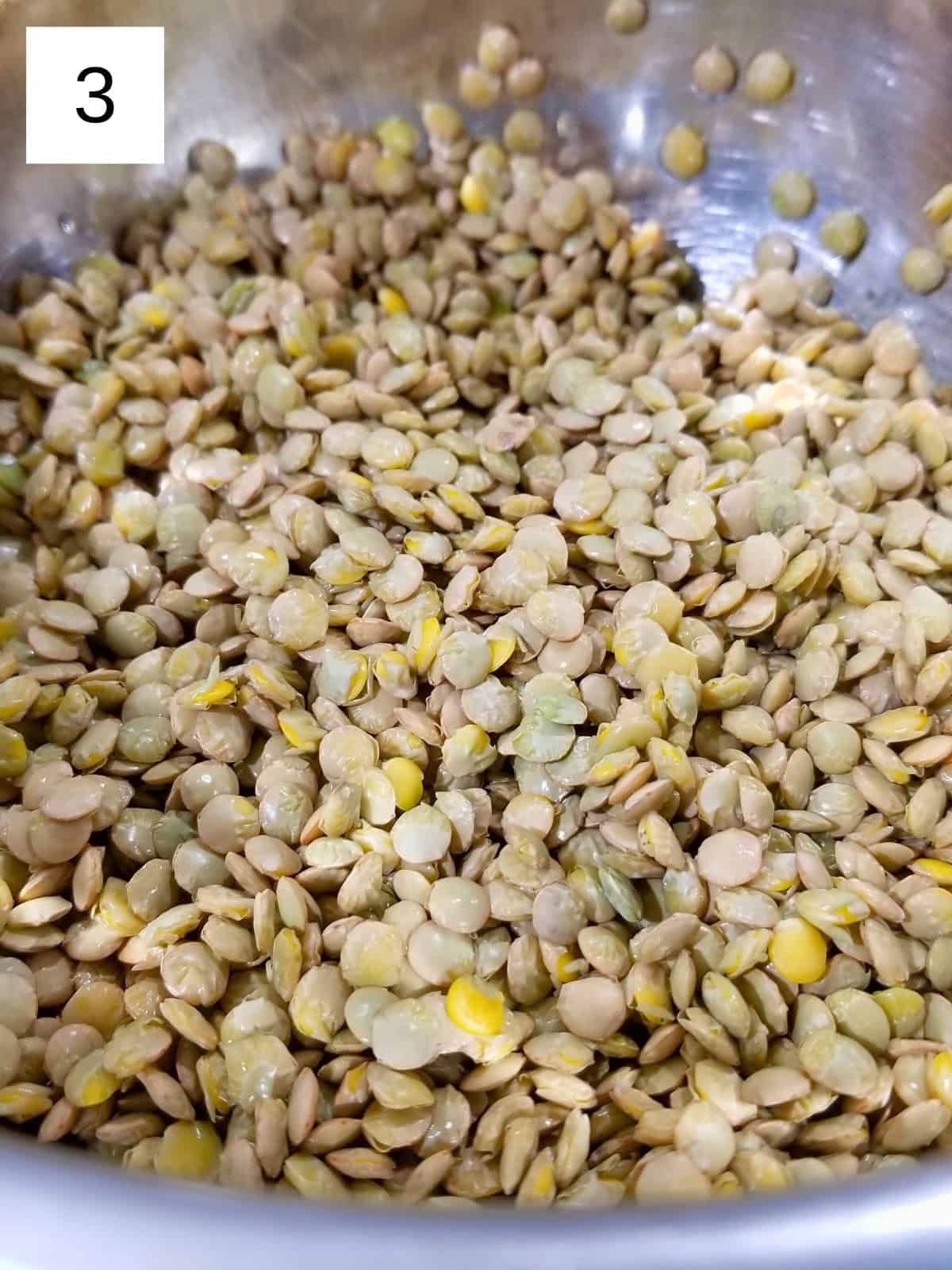
Step 4) While the sausage is cooking, measure out your lentils into a large glass bowl and saturate them with water, cleaning the lentils and draining off any floating bits. You'll want to "rinse" the lentils 3-5x before you set them aside (image 3).
Step 5) Once the sausage is done, use a fork or a pair of tongs to remove each of the pieces, leaving any grease behind. If you didn't use any meat, add 1 tablespoon of oil to the pot and give it one minute to heat up. Set aside the sausage and immediately add the minced onion to the hot oil, shaking the pot horizontally to make sure it's all in a single layer. If it looks like there's less than 1 Tablespoon of add, add enough olive oil or avocado oil to get up to 1 Tablespoon.
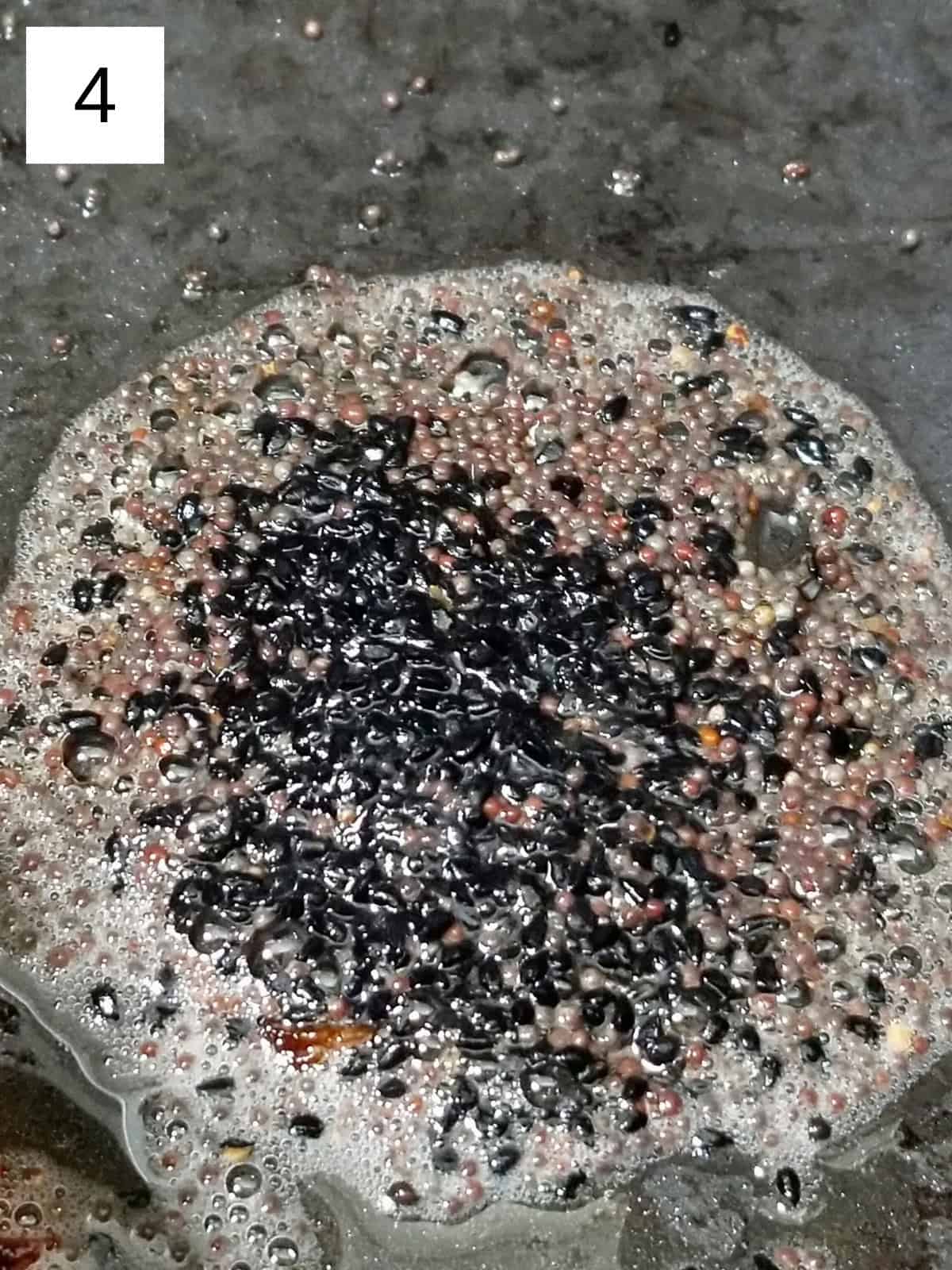
Step 6) Once the oil is once again hot, add the nigella and whole mustard seeds and cook for one minute (image 4). Then add the onion and brown the mixture in the oil over medium heat for 5-7 minutes. Now add the garlic and cook for 2 more minutes; it should be very fragrant.
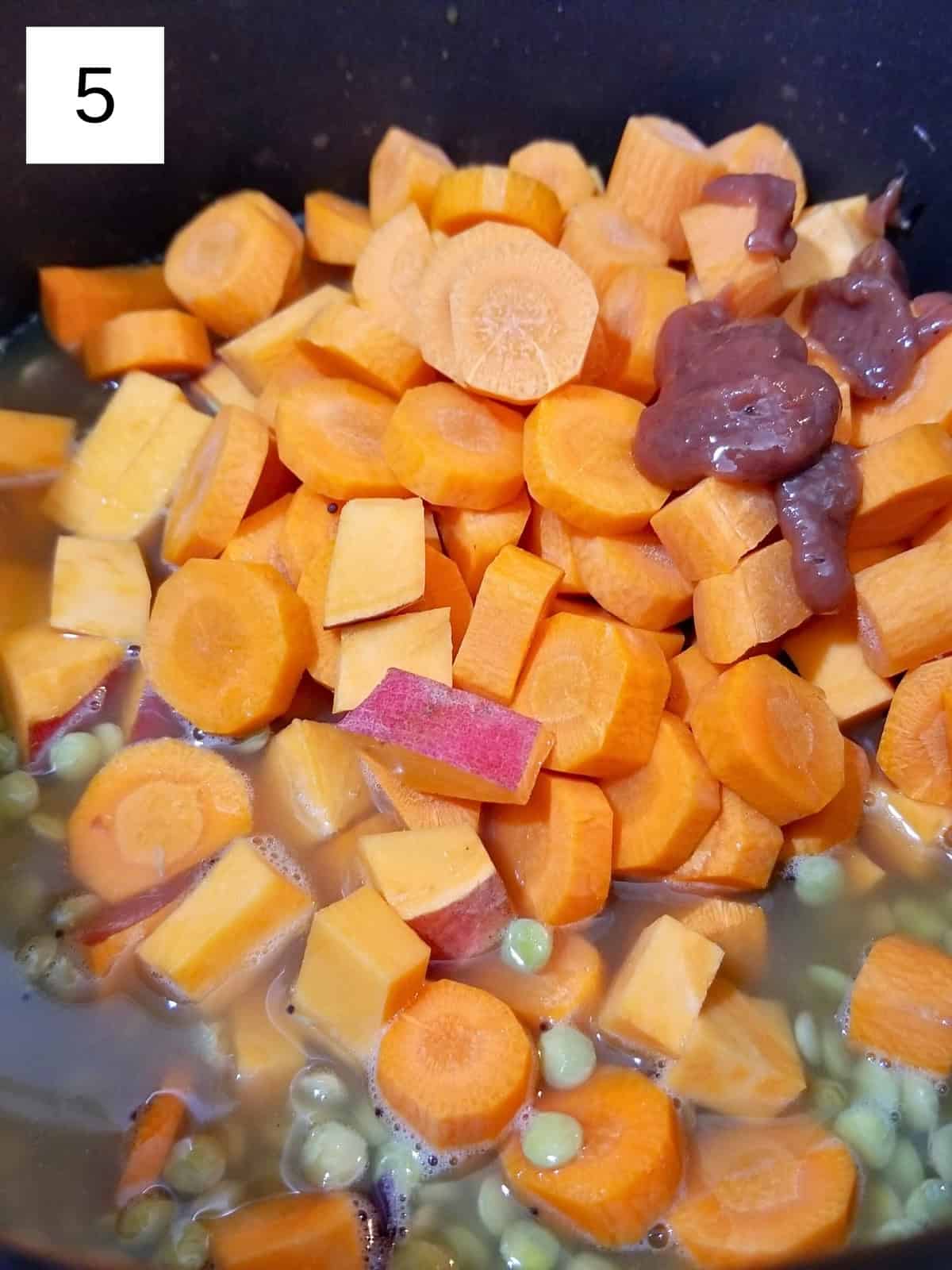
Step 7) Now add the lentils, bone broth, carrots, sweet potato (or squash), and tomato paste (or umeboshi paste) (image 5). The mixture will be chunky, but it will all soften after cooking.
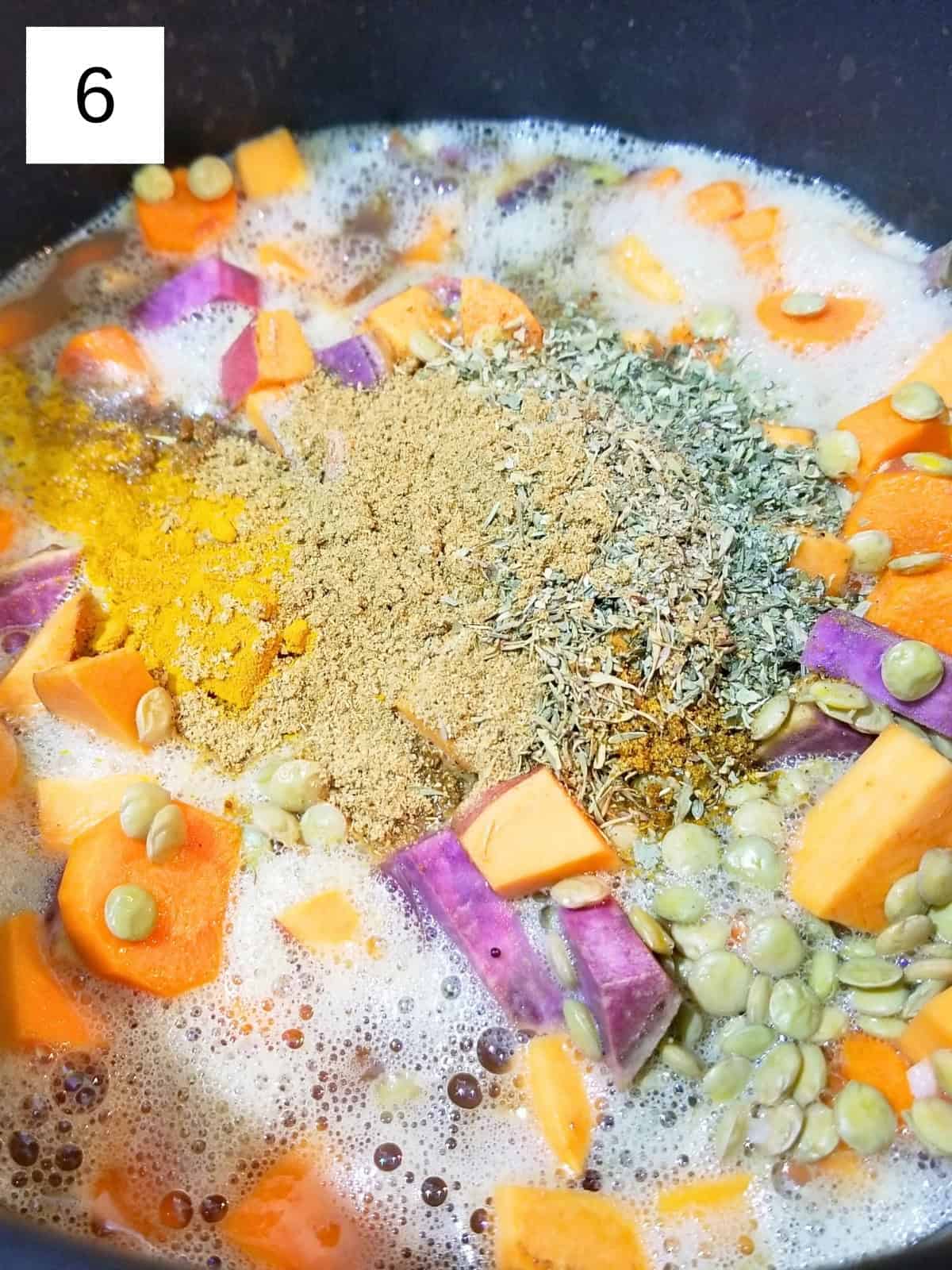
Step 8) Mix everything well and then add the spices you measured early directly to the pot and stir them in, replacing the lid and cooking over low heat for about 30 seconds (image 6). Now remove the lid and smell the stew, taking a spoon and tasting the liquid to see if the flavor of the spices is strong enough. Add a dash more of anything you smell lacking, and put the lid back on to cook for 10-15 more minutes (just set a timer and check back in after a bit).
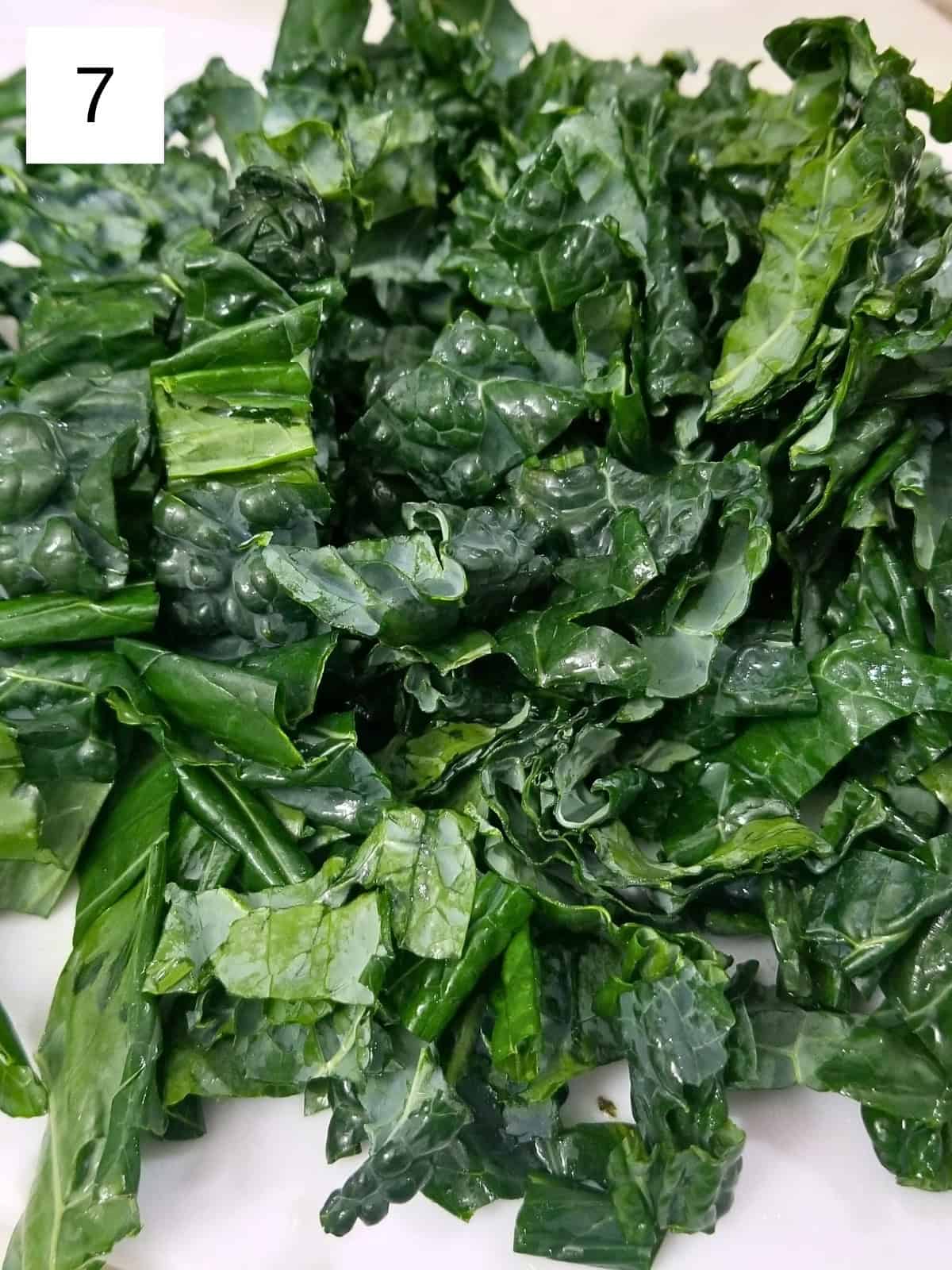
Step 9) While the stew cooks, wash your bell peppers and cut them into chunks. Set them aside and then wash your kale, remove the stem from each leaf, and then fold over the halves for easy slicing. Slice them into small pieces and set aside (image 7). By now your stew should be lightly bubbling, and may even be in need of more liquid. If this is the case (meaning that the veggies or lentils are "above water"), simply add more water ½ cup at a time until everything is re-submerged.
Step 10) Once the initial 10 minutes has passed, take the lid off the pot and check on the lentils. They should be soft but still have a slight bite to them, and the carrots and sweet potato (or squash) should be tender when pierced with a fork. If they're not done yet, keep them on the heat for 5 more minutes with the lid on, checking them every 2 minutes thereafter if still not done.
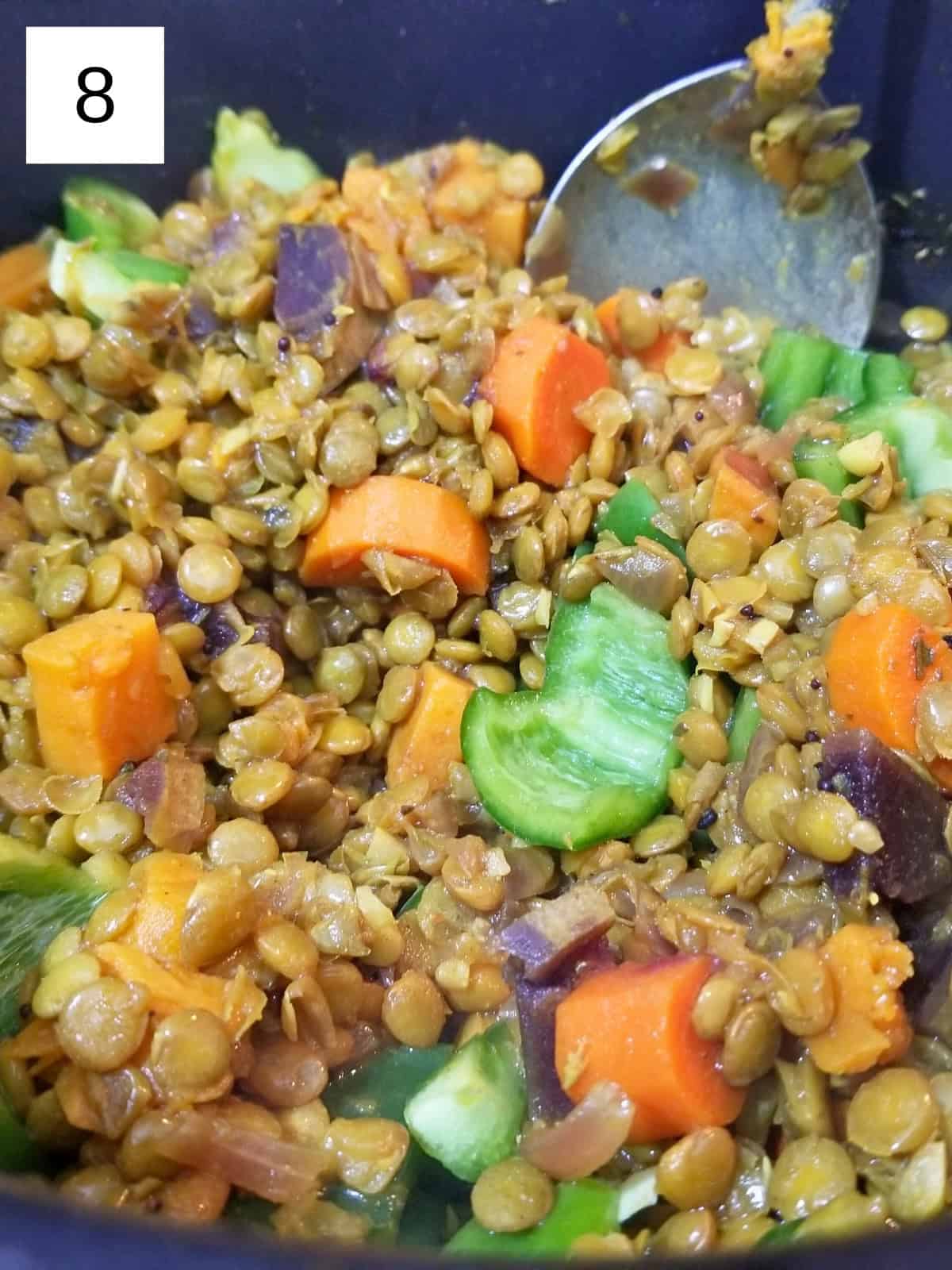
Step 11) Once the veggies are tender, turn off the heat but keep the pot on the burner and add the bell pepper, stirring them in until they're enveloped in the heat (image 8). While the bell pepper softens, measure your lemon juice (or sumac), salt, and pepper.
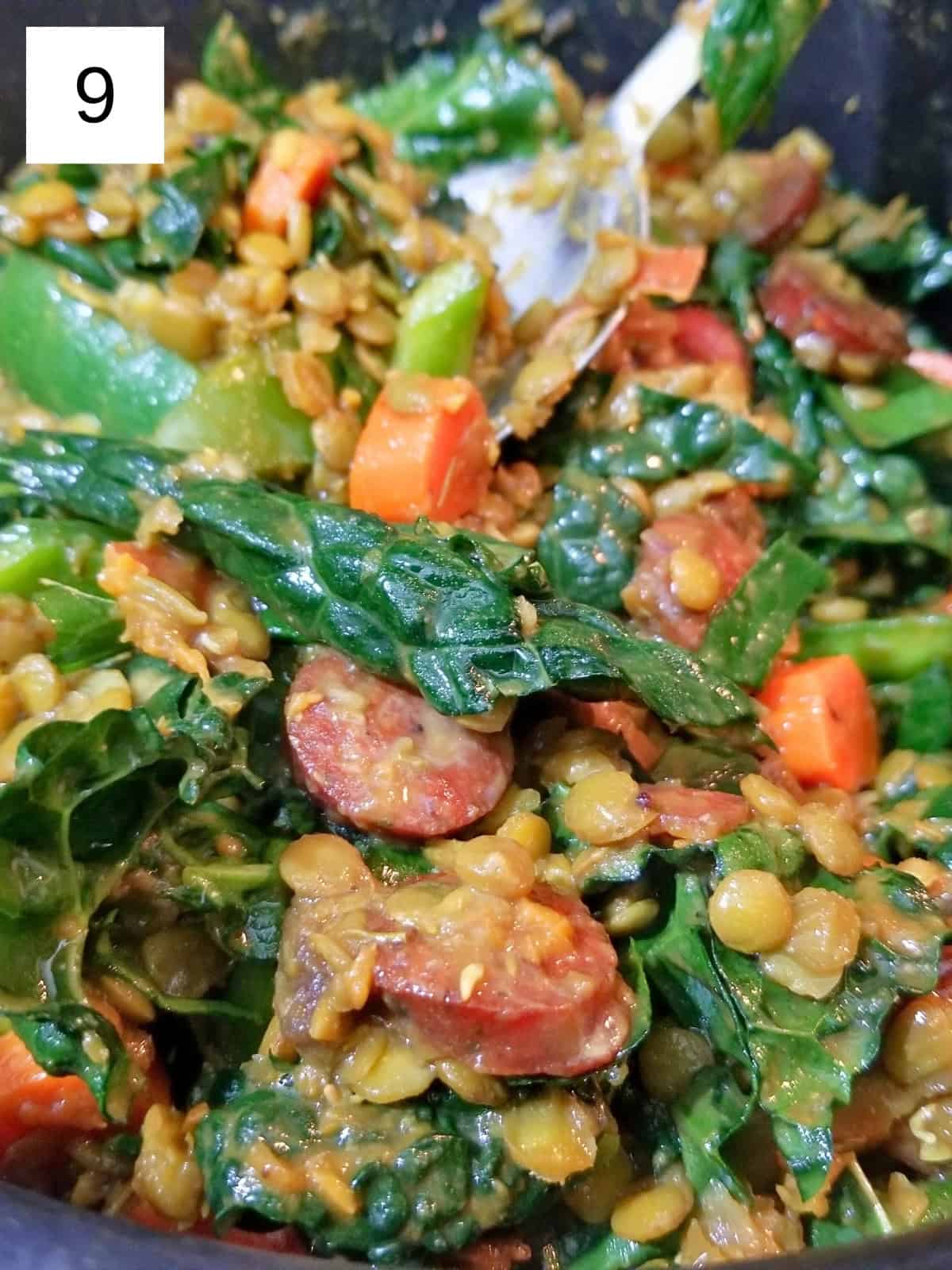
Step 12) After 2 minutes, take the pot off the still-warm burner and move it to a cool surface. Stir in the lemon juice, salt, pepper, kale, and sausage (if used), mixing well and then tasting it for personal flavor adjustments; I tend to use more salt and sometimes some fresh green onion or chopped basil on top (image 9). You should never add salt until the end or it can make the lentils tough. After that, it's all ready to eat!
🍚 Variations
- Other Root Vegetables to Include: Add other veggies like parsnips, or zucchini for extra heartiness.
- Serve with Low Histamine Grains: Pair the stew with freshly cooked white rice or quinoa to make it more filling.
🥣 Freezing and Reheating
This dish freezes very well, particularly with these specific veggies; if you mix it up, you may need to reassess whether or not you'd like the texture of your chosen vegetables once frozen.
I like to freeze it in three different serving sizes so I can pick how much of it to eat for one meal, but it generally makes about 8 full meals with this one pot. For non-low histamine readers, you can keep it in the fridge for up to 4 days, or you can safely freeze it for up to a year.
👨🏻🍳 Expert Notes & Tips
Type of lentils: I've used black, green, and red lentils to make this stew, and all of them have turned out fine, but green lentils are probably the easiest option to find. Dealer's choice.
Tomato paste: if you can't tolerate even the tiniest bit of tomato paste or umeboshi paste, you can leave them out. However this stew really does well with just one tablespoon of vinegar or something else acidic (that's not lemon juice).
Lemon juice: you could substitute sumac or lemon juice or even mustard, but this is another echo of the acidity that the tomato paste would provide. The two are similar but complementary tangs that just add great depth of flavor, but without enough to cause a reaction in most people after a month or two of an elimination diet.
Sausage: as I said, the sausage is not necessary but it adds greatly to the flavor. You can make your own sausage or buy fresh-frozen sausage, of even just used pieces of chicken or pork. It's really just another good way to add healthy protein into my diet.
Bone broth: both bone broths and animal/vegetable stocks can be made much more quickly in an instant pot, limiting histamine buildup. Though if you find a recipe you like but are wary of the length, give it a try cooking it for half the time, because some flavor & nutrition is definitely better than none!
Changing vegetables: these are merely some of my favorite vegetables at the time I pulled together this recipe, but you can substitute with some of your own favorites. Just bear in mind the cooking times for those may be different, so you may need to tweak some of the cook times.
❓ What to Serve With Spanish Lentil Stew
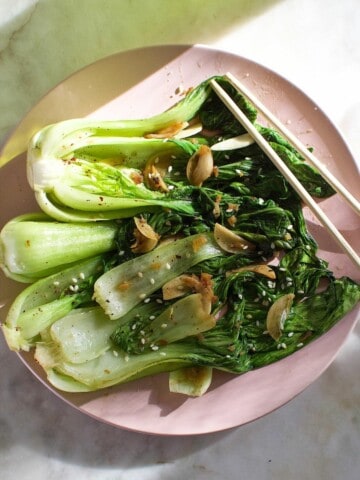
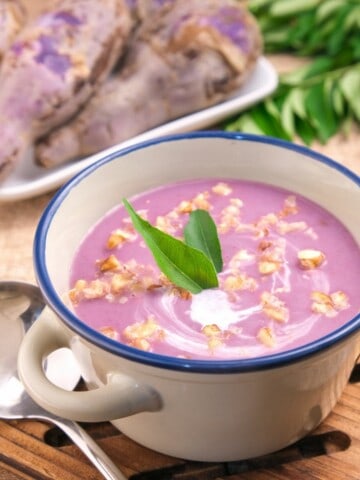

🙋 Frequently Asked Questions
Yes, you can substitute lentils with other low histamine legumes like split peas or use additional vegetables for a lighter stew.
You can add fresh, unprocessed meats if you tolerate them, but for the vegan option, omit meat and use vegetable broth.
Simmer uncovered to reduce liquid or mash some lentils and vegetables to naturally thicken the stew.
The recipe is mild, but you can add low histamine spices like fresh ginger for gentle warmth.

Have you tried this recipe?
If you like the recipe, please leave a 5-star ⭐️⭐️⭐️⭐️⭐️ rating on the recipe card, or even a comment! I love to hear how your recipes turned out, and your feedback can help other readers! Also join us on Instagram, Facebook & Pinterest.
📖 Recipe
Spanish Lentil Stew Without Tomatoes (Vegan Option)
Ingredients
- 12 oz uncured sausage optional; otherwise use 1 Tablespoon fat of choice
- 3 cups dry green or black lentils picked over and rinsed
- 1 medium onion any color
- 6-8 garlic cloves pressed or minced
- 1 teaspoon whole mustard seeds
- 1 teaspoon nigella sativa seeds
- 4 cups broth or stock preferably homemade (sub. water)
- 3-4 medium carrots peeled & chopped
- 1 large sweet potato or 1½ cups cubed squash
- 1 Tablespoon tamarind paste sub. umeboshi paste
- 2 teaspoons ground cumin
- 1 teaspoon ground coriander seed
- 1 teaspoon ground turmeric
- ⅛ teaspoon ground cardamom
- 1 teaspoon dried thyme
- 2 teaspoons dried oregano
- 1 teaspoon garam masala optional
- ½-2 cups water
- 2 bell peppers cut into chunks
- 1 bunch chopped kale ribs removed
- 1 Tablespoon lemon juice can sub 1 teaspoon sumac
- 1 teaspoon salt or more to taste
Instructions
- Before starting the stew, mince the garlic and the onion and then set them aside, each in a separate bowl. Next, cube the carrots and the sweet potato (or squash) into similar-sized chunks, and put them into a bowl together. If you're unfamiliar with chopping kale, you should also do this now; otherwise, set it aside.
- Measure out all the spices except nigella and mustard seeds, meaning the cumin, coriander, turmeric, cardamom, thyme, oregano, garam masala, and hot pepper. You can omit the hot pepper, but the dish isn't quite the same without the garam masala. If you'd like to make your own replacement spice blend, consider basing it off the spices already in the recipe.
- Now place a large cast iron or nonstick pot over medium-low heat while you slice the sausage into rounds. If you're not using sausage, skip this step and move to the next one. Once sliced, arrange the sausage in a single layer in the bottom of the pot and cook for 5 minutes. Flip each slice over to brown the other side, cooking for another 5 minutes. You may need an extra 5 minutes or so to make sure everything is browned if you're doing this in a slightly smaller pot, as I usually do.
- While the sausage is cooking, measure out your lentils into a large glass bowl and saturate them with water, cleaning the lentils and draining off any floating bits. You'll want to "rinse" the lentils 3-5x before you set them aside.
- Once the sausage is done, use a fork or a pair of tongs to remove each of the pieces, leaving any grease behind. If you didn't use any meat, add 1 tablespoon of oil to the pot and give it one minute to heat up. Set aside the sausage and immediately add the minced onion to the hot oil, shaking the pot horizontally to make sure it's all in a single layer. If it looks like there's less than 1 Tablespoon of add, add enough olive oil or avocado oil to get up to 1 Tablespoon.
- Once the oil is once again hot, add the nigella and whole mustard seeds and cook for one minute. Then add the onion and brown the mixture in the oil over medium heat for 5-7 minutes. Now add the garlic and cook for 2 more minutes; it should be very fragrant.
- Now add the lentils, bone broth, carrots, sweet potato (or squash), and tomato paste (or umeboshi paste). The mixture will be chunky, but it will all soften after cooking.
- Mix everything well and then add the spices you measured early directly to the pot and stir them in, replacing the lid and cooking over low heat for about 30 seconds. Now remove the lid and smell the stew, taking a spoon and tasting the liquid to see if the flavor of the spices is strong enough. Add a dash more of anything you smell lacking, and put the lid back on to cook for 10-15 more minutes (just set a timer and check back in after a bit).
- While the stew cooks, wash your bell peppers and cut them into chunks. Set them aside and then wash your kale, remove the stem from each leaf, and then fold over the halves for easy slicing. Slice them into small pieces and set aside. By now your stew should be lightly bubbling, and may even be in need of more liquid. If this is the case (meaning that the veggies or lentils are "above water"), simply add more water ½ cup at a time until everything is re-submerged.
- Once the initial 10 minutes has passed, take the lid off the pot and check on the lentils. They should be soft but still have a slight bite to them, and the carrots and sweet potato (or squash) should be tender when pierced with a fork. If they're not done yet, keep them on the heat for 5 more minutes with the lid on, checking them every 2 minutes thereafter if still not done.
- Once the veggies are tender, turn off the heat but keep the pot on the burner and add the bell pepper, stirring them in until they're enveloped in the heat. While the bell pepper softens, measure your lemon juice (or sumac), salt, and pepper.
- After 2 minutes, take the pot off the still-warm burner and move it to a cool surface. Stir in the lemon juice, salt, pepper, kale, and sausage (if used), mixing well and then tasting it for personal flavor adjustments; I tend to use more salt and sometimes some fresh green onion or chopped basil on top. You should never add salt until the end or it can make the lentils tough. After that, it's all ready to eat!
Notes
Nutrition
Save this post for later!


Anna says
This was lovely! It was quite a long recipe, but the combination of flavours was very pleasing. We used vegetable stock and vegan sausages (fussy vegan daughter) and it was great!
lowhistamineeats says
Oh, that makes me so happy!! Yeah, the ingredients are mostly vegetables and spices, but each one definitely makes a difference, so I'm glad you made the time to try it. Thank you for your review!