





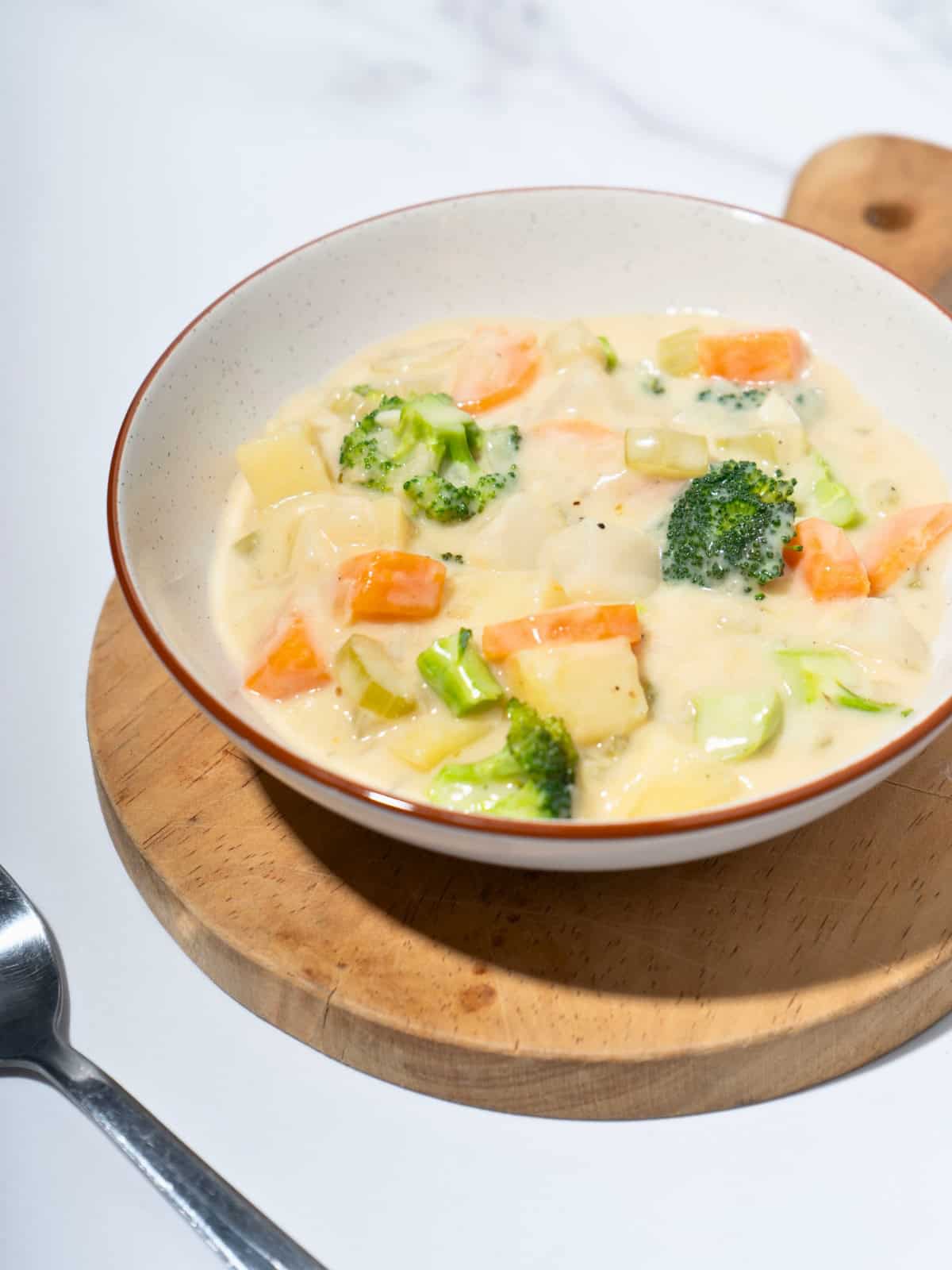
Warm, hearty, and packed with flavor, this Vegetable Stew recipe is the perfect comfort food for any season, not to mention easy to prepare and customizable. Utilizing a colorful array of seasonal vegetables and aromatic herbs, this dish is not only delicious but also nourishing and satisfying.
If you like comforting stew, try my kalonji chicken & squash stew or my hearty lentil stew.
Jump to:
✔️ Why This Recipe is Great
Low Histamine Comfort Food: with all the restrictions, finding low histamine comfort foods can be hard, but this easy vegetable stew fulfills the requirements of warm, fluffy, savory, and satisfying.
Versatile Recipe: You can omit or use any mix of vegetables, meats, and spices that you like, but I'd recommend sticking with the rough amounts outlined below, at least for the first time you make it.
🍠 Ingredients
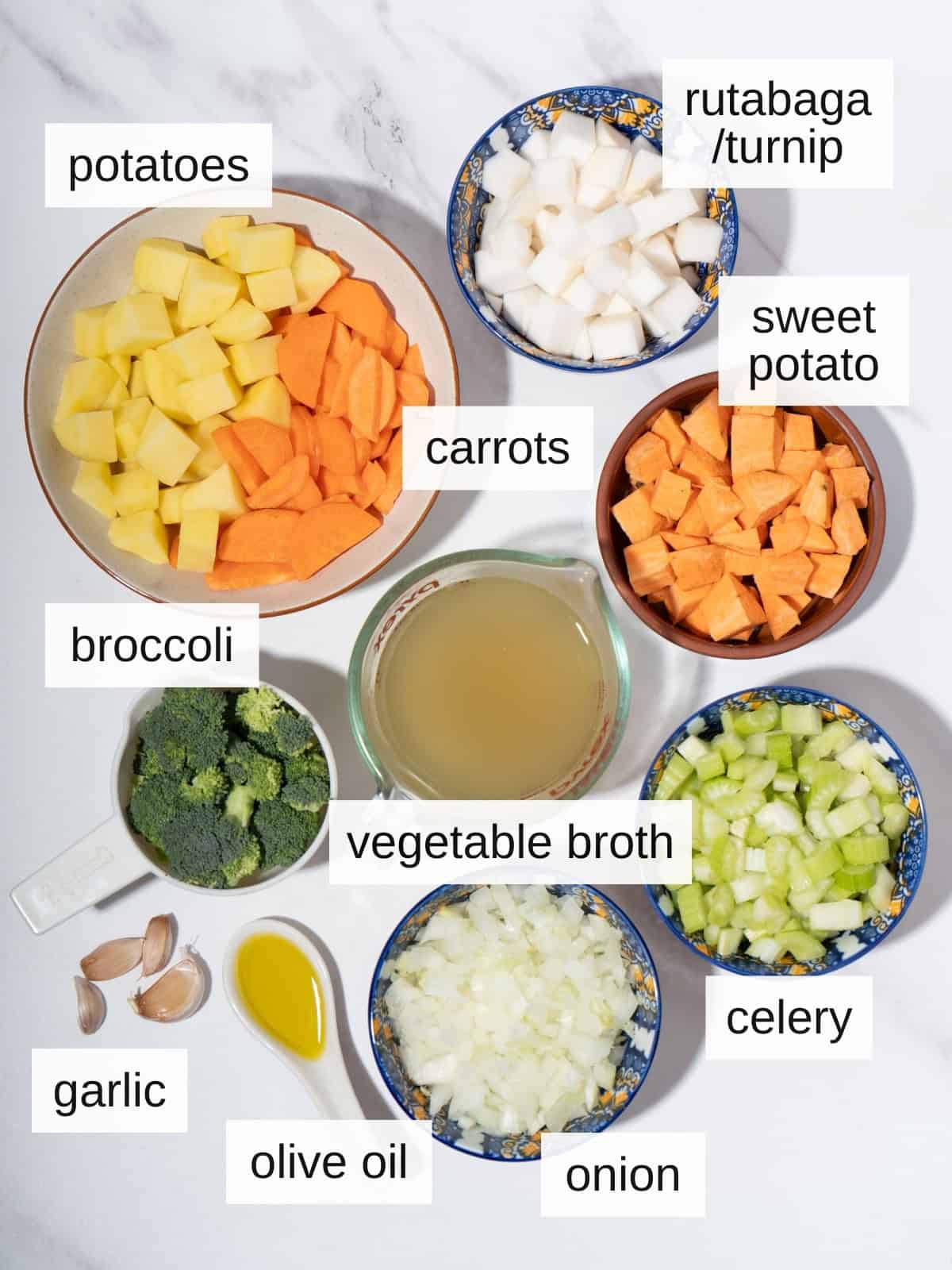
Carrots & Sweet Potato: both these orange veggies are a great way to get your daily Vitamin A and fiber, and they're a great base for almost any low histamine dinner. In this case they both need to be peeled and chopped before you start cooking, though frozen versions work just fine.
Potatoes: you can use any variety of firm potatoes for this recipe, but I highly recommend a creamier type, like the Yukon Gold potatoes I use here. If you can't find them, there are plenty of substitutes for Yukon Gold potatoes, including any type of yellow potato.
Rutabaga or Turnip: rich in fiber and a slight tang, though you could swap them for another root vegetable.
Broccoli or Cauliflower Florets: the only brassica vegetable in the bunch, either of these low histamine vegetables adds the balance of flavors that makes this stew so satisfying.
Celery: adds a unique umami flavor; make sure to slice the pieces very small so that they have a chance to fully soften.
Onion: you'll want to cut this in small pieces before mixing it with the vegetables; you can use any type of onion you have on hand, but the purple variety has more antioxidants.
Olive Oil: I used a fresh extra-virgin olive oil here, though you could alternately use the same amount of any low histamine oil you like (though something like flax oil might be too strong).
Garlic: using garlic powder or raw garlic adds an umami element to the stew that really rounds out the overall flavor and complements the vegetables in this dish.
Vegetable Broth: you can use any type you prefer or can tolerate, or you can even use water, but whatever you choose it will add more depth of flavor to the final dish. If tolerated, you could even use homemade bone broth made in the instant pot.
OPTIONAL: Tapioca Starch, Coconut Milk, and Lime Juice: whether to thicken, add creaminess, or add some tang, each of these optional ingredients can upp the nutrition and overall flavor of the stew.
See recipe card for exact ingredients and quantities.
🍲 How to Make Creamy Vegetable Stew (Step-by-Step)
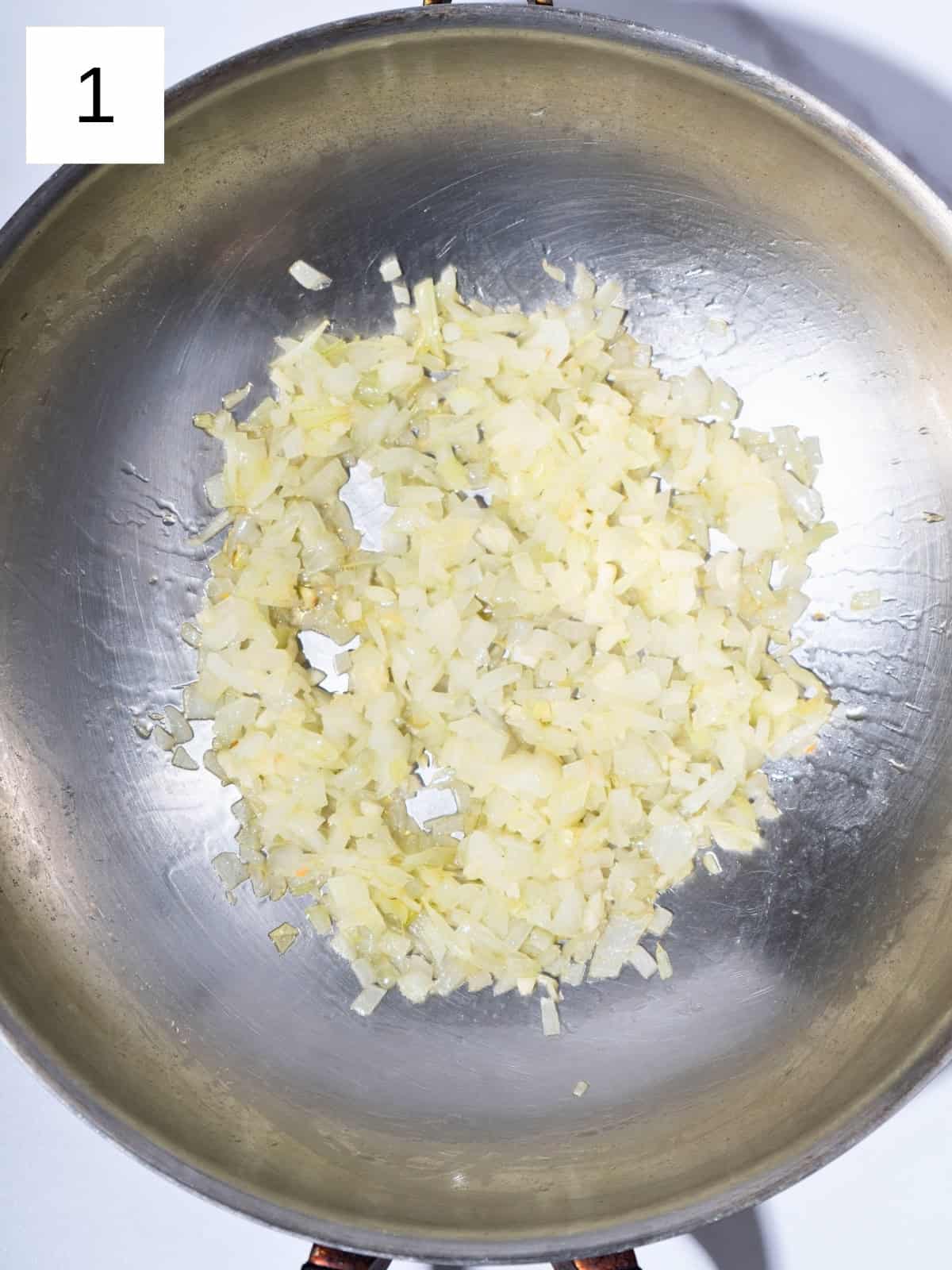
Step 1) In a large pot, heat the olive oil over medium heat. Add the diced onion and sauté for about 3-4 minutes until it becomes translucent (image 1).
Step 2) Stir in the minced garlic and cook for another minute, being careful not to let it burn.
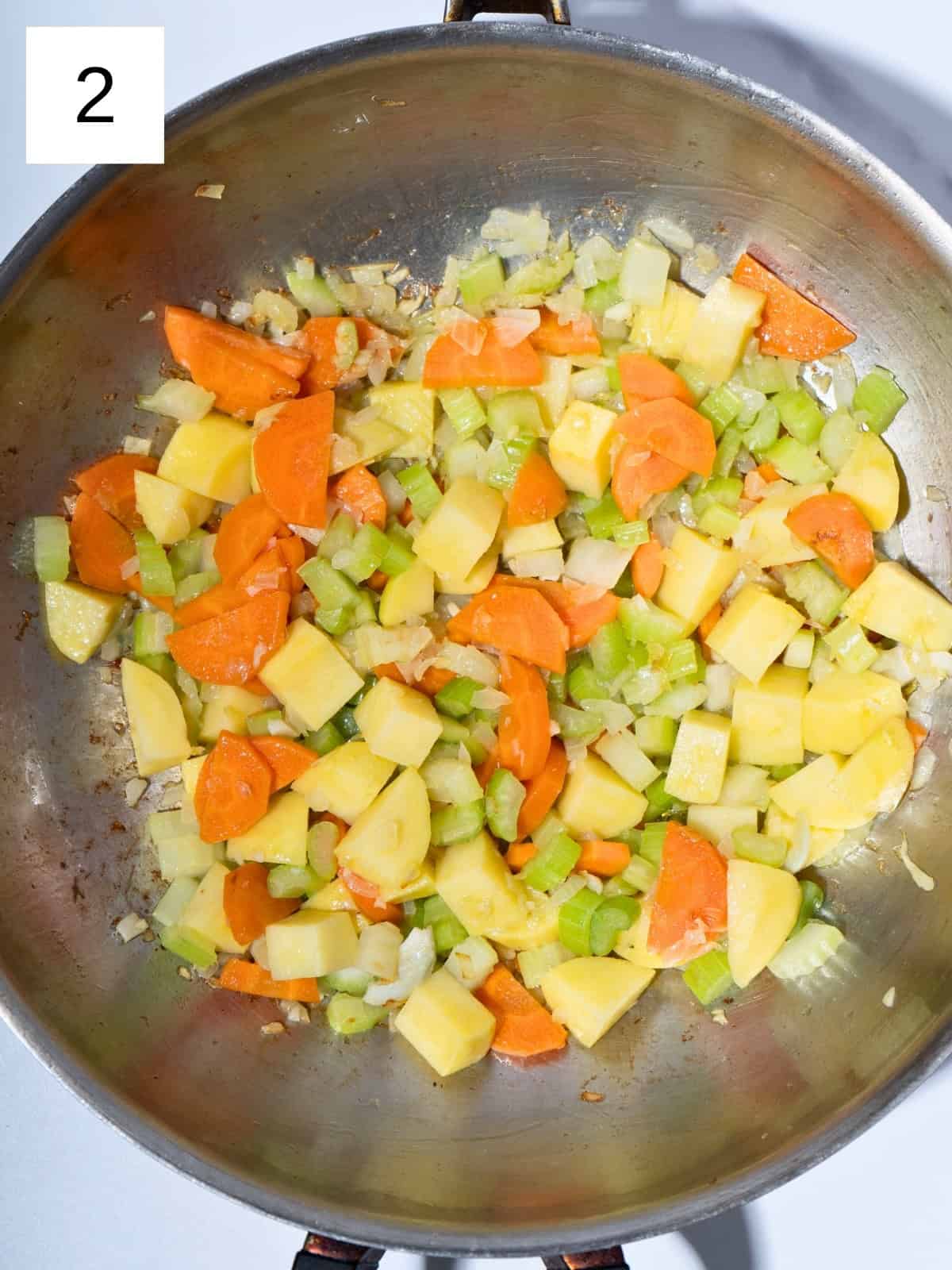
Step 3) Add the chopped celery, sliced carrots, and diced potatoes to the pot. Cook for about 5 minutes, stirring occasionally (image 2).
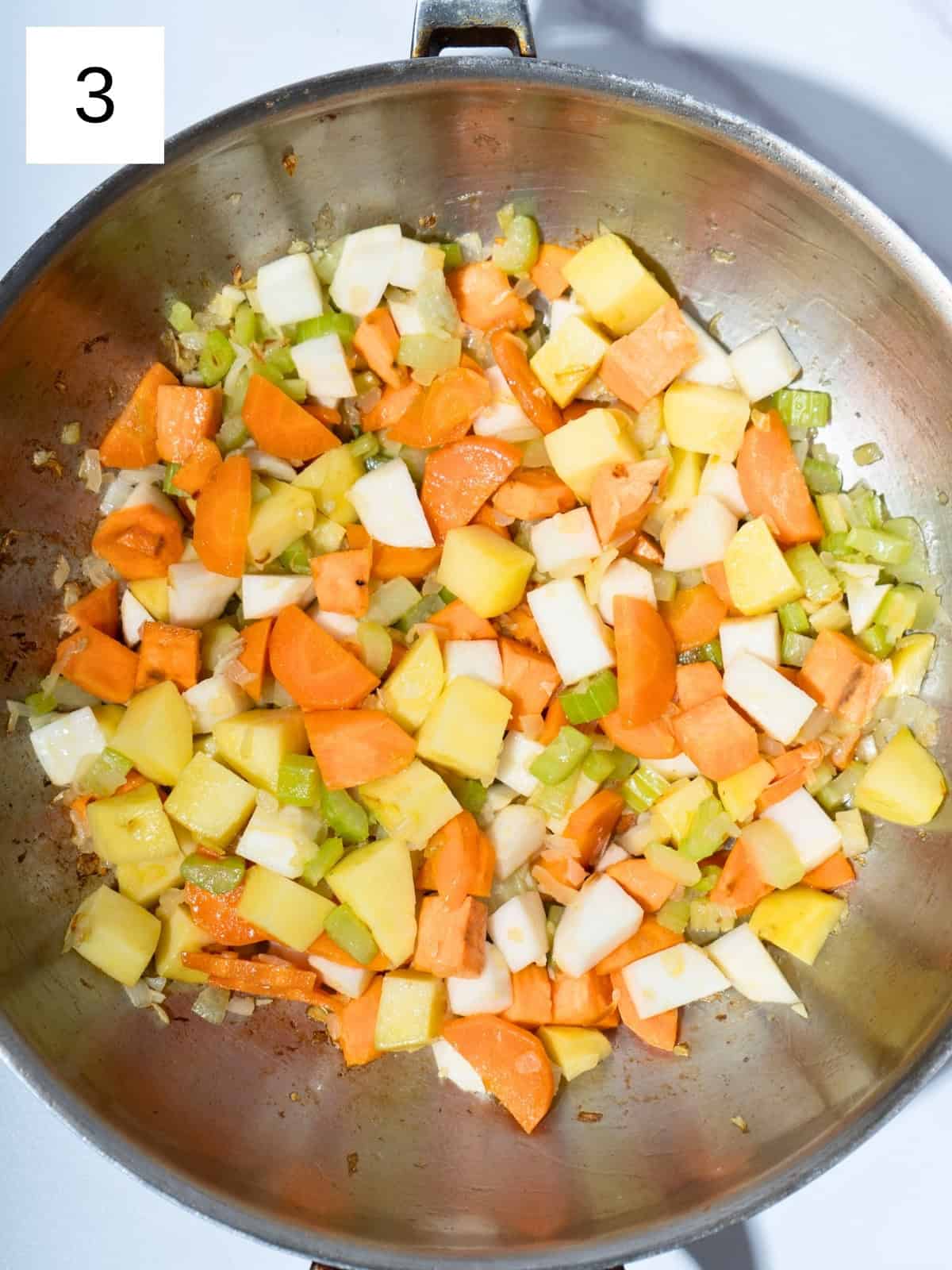
Step 4) Next, incorporate the cubed rutabaga or turnip and sweet potato. Stir everything together and let it cook for another 5 minutes (image 3).
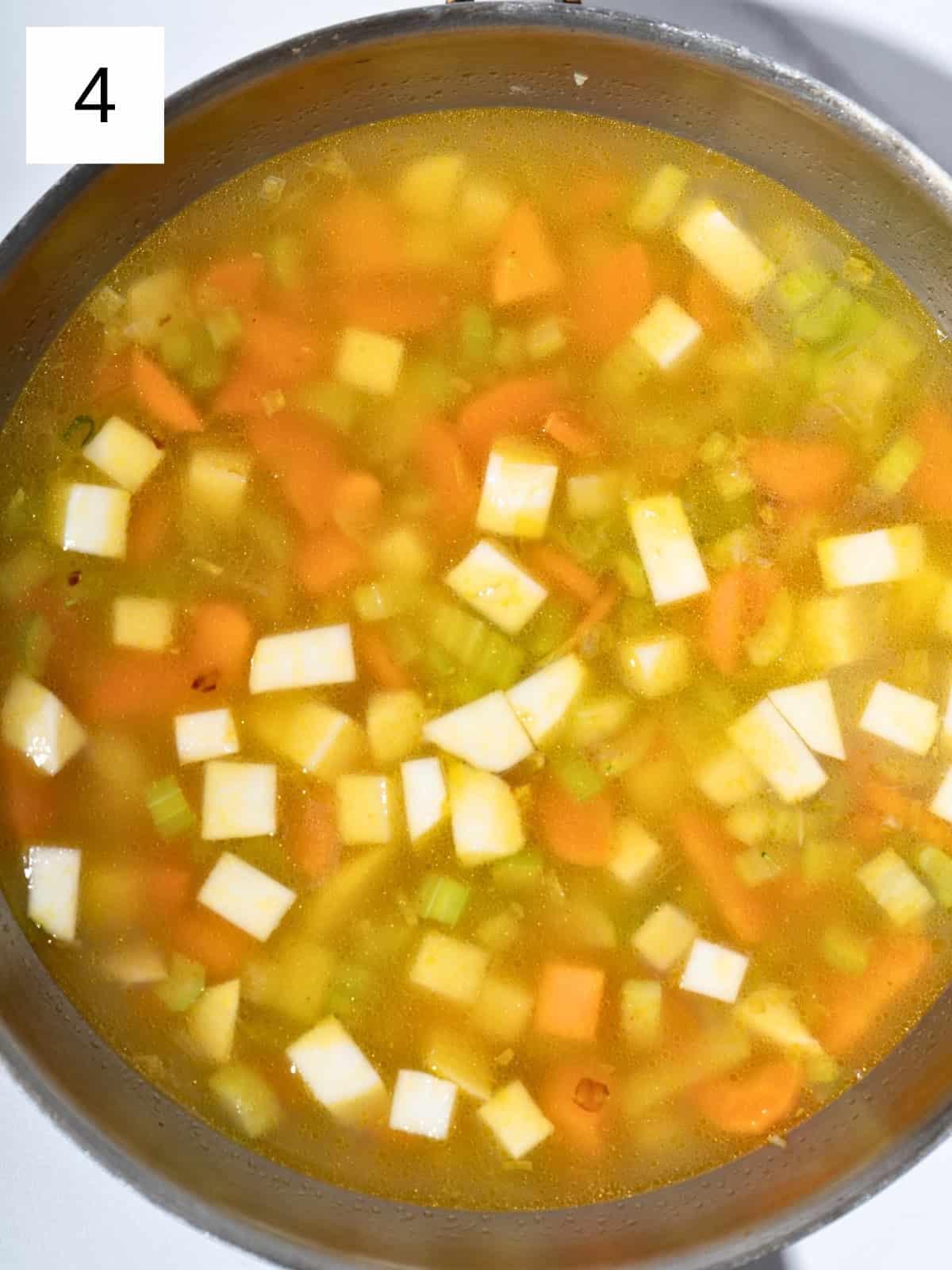
Step 5) Pour in the vegetable broth and bring the mixture to a boil. Once boiling, reduce the heat to a simmer (image 4).
Step 6) If you’re using coconut milk, pour it in now and stir well. Let the stew simmer for an additional 10-15 minutes, or until all the vegetables are tender. If you’re not sure about the coconut milk, you can also add it at the end (image 6).
Step 7) Dissolve the starch into 3-4 tablespoons of hot water and add to the stew. Immediately mix into the sauce.
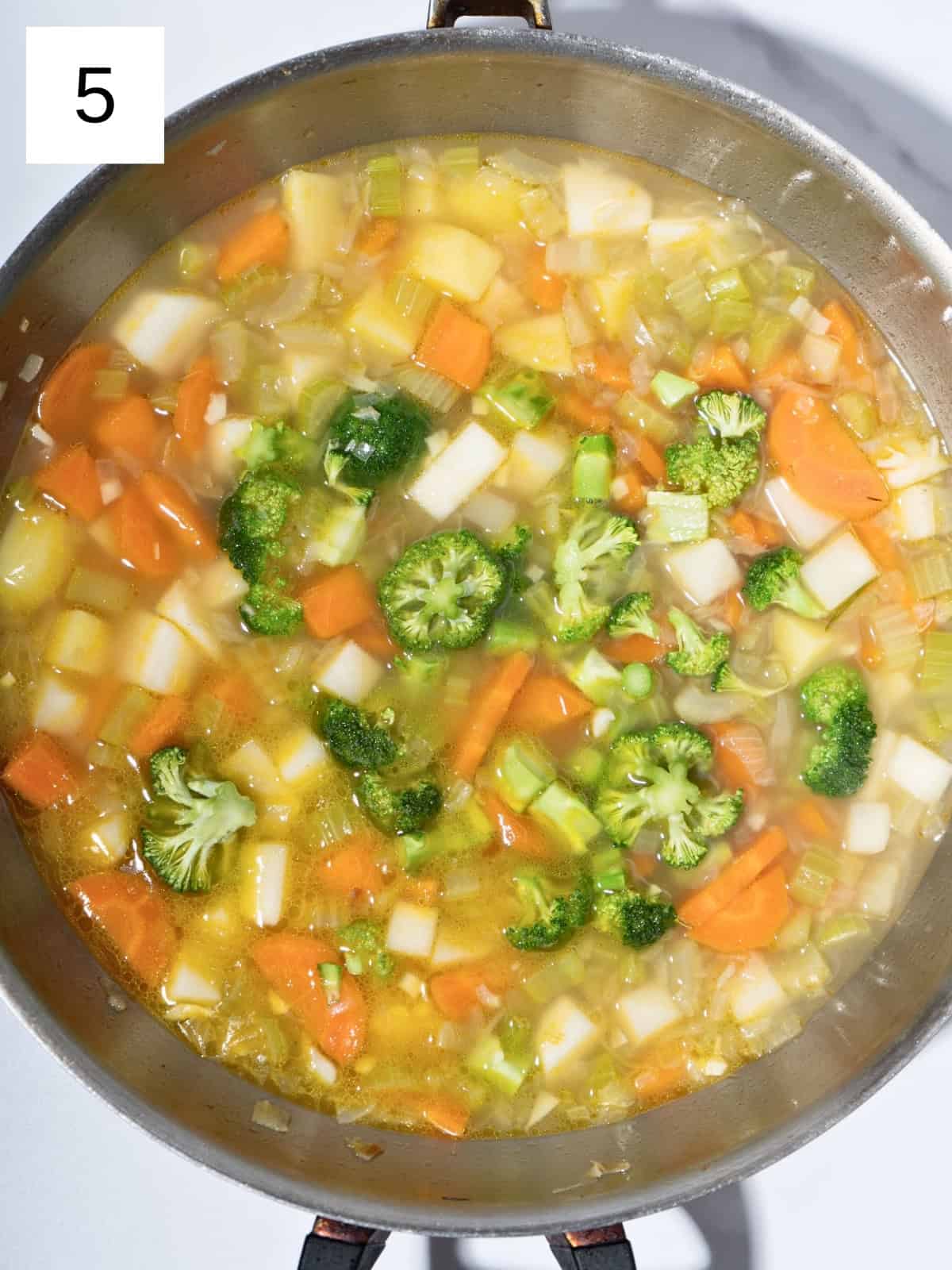
Step 8) Finally, add the broccoli or cauliflower florets (image 5). Cook for about 2 minutes, stirring, until the sauce has thickened and the broccoli has a bright color.

Step 9) Season with salt and optionally lime juice, and stir gently to combine. Taste and adjust the seasoning if needed.
🌶 Variations
- Spicy Kick: Incorporate diced jalapeños or a dash of cayenne pepper for a spicy twist, if tolerated.
- Herb-Infused: Experiment with different herbs like rosemary, thyme, or basil to enhance the flavor profile; you can easily use up to 1 tablespoon of dried herbs or spices in a single batch, added to the onion as it initially cooks.
- Root Vegetable Medley: Swap in and out seasonal root vegetables like sweet potatoes, parsnips, or turnips for added sweetness and texture.
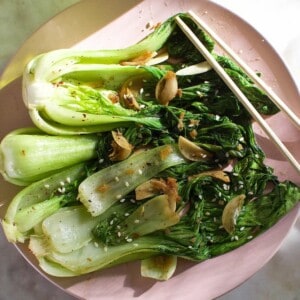
- Asian-Inspired: Add ginger and bok choy for an Asian flair, and serve with rice or noodles plus an extra squeeze of lime juice.
🥘 Storage and Reheating
If you're not on a low histamine diet, this vegetable stew can stay good in the fridge for up to 5 days when stored in an air-tight container and cooled to room temperature beforehand. But if you want to freeze it, it’ll stay good in the freezer for up to 3 months, though the texture will get a bit starchier upon reheating the longer it stays in there.
👨🏻🍳 Expert Notes & Tips
Customization: Feel free to customize this stew with your favorite vegetables! Zucchini, bell peppers, or any root vegetables would all make great additions.
Storage Instructions: This veggie stew can be stored in the fridge for up to 5 days (for non-low histamine readers) and it also freezes well, making it perfect for meal prep.
Adding Spices: For a little extra flavor, consider adding herbs like thyme or rosemary during the cooking process. A splash of lemon juice just before serving can brighten it up too!
Serving Suggestion: Serve with a side of rice or quinoa and a sprinkle of sumac for a balanced acidity.
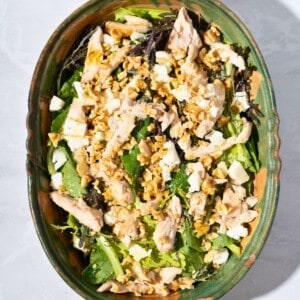
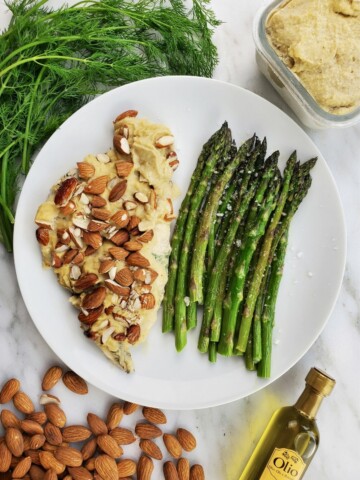
❓ What to Serve With Vegetable Stew


🙋 Frequently Asked Questions
You can use mashed potatoes, an arrowroot starch slurry, or flour mixed with water to thicken the stew; it's just a matter of whatever you tolerate.
You can use a variety of vegetables like carrots, potatoes, onions, bell peppers, and zucchini, though personally I think root vegetables work well for a hearty texture.
Coconut milk, vegetable broth, or pureed roasted red peppers can add depth of flavor and some acidity without tomatoes.
Yes! Use the sauté function for aromatics, then add all the other ingredients and pressure cook on high for 12-18 minutes (depending on your exact vegetables and the size of the pieces).

Have you tried this recipe?
If you like the recipe, please leave a 5-star ⭐️⭐️⭐️⭐️⭐️ rating on the recipe card, or even a comment! I love to hear how your recipes turned out, and your feedback can help other readers! Also join us on Instagram, Facebook & Pinterest.
📖 Recipe
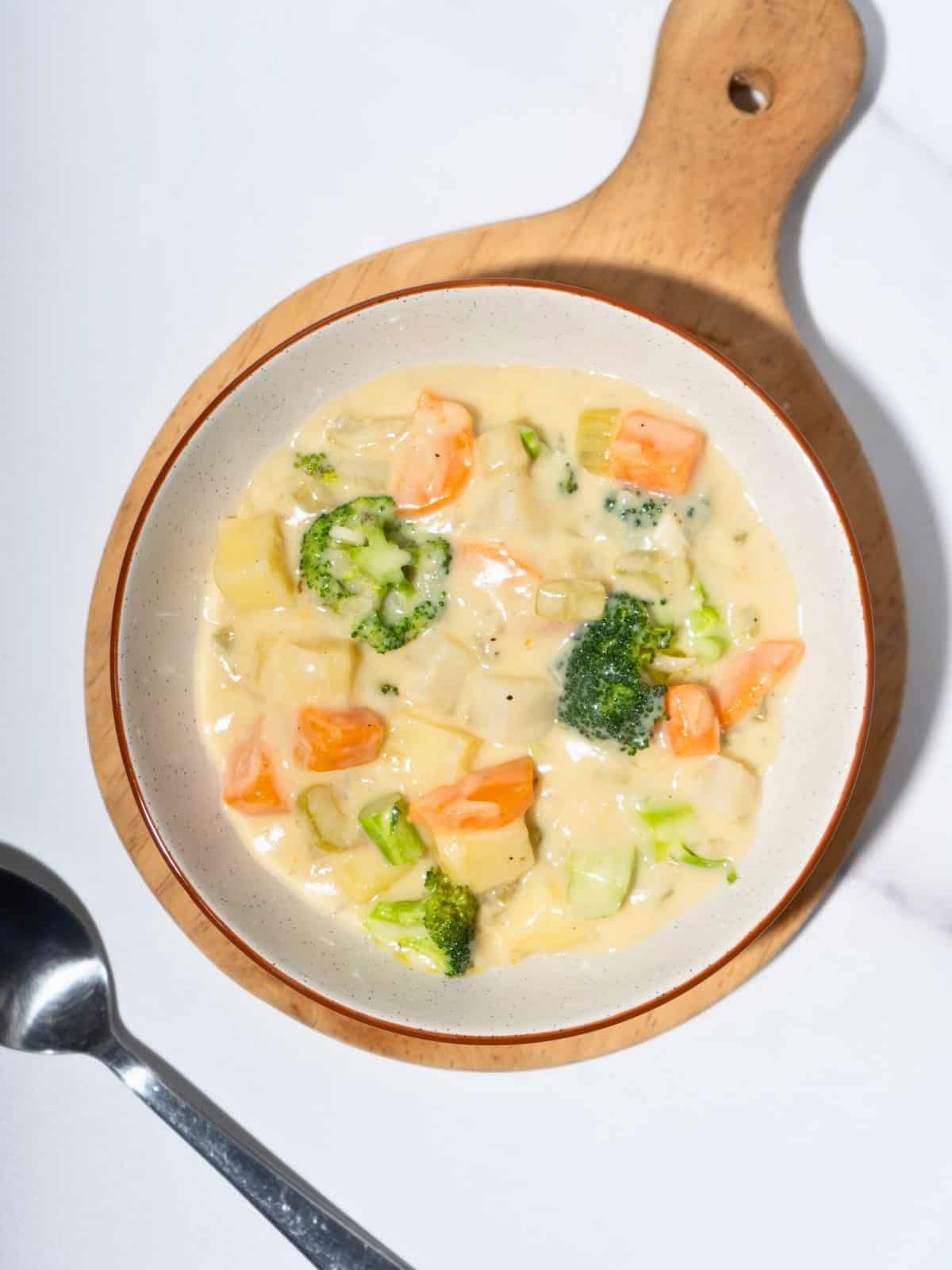
Creamy Vegetable Stew
Ingredients
- 1 large onion diced (about 150g)
- 3 tablespoons olive oil
- 4 cloves garlic minced
- 2 medium carrots sliced (about 150g)
- 2 medium potatoes diced (about 300g)
- 2 stalks celery chopped (about 100g)
- 1 medium rutabaga or turnip peeled and cubed (about 300g)
- 1 medium sweet potato peeled and cubed (about 200g)
- 4 cups vegetable broth about 1L
- 1 ½ cup broccoli florets of cauliflower florets about 150g
- 1 teaspoon salt adjust to taste
- 1 can coconut milk optional, for creaminess (~400 mL)
- 1 tablespoon tapioca starch optional
- 1 tablespoon lime juice optional
Instructions
- In a large pot, heat the olive oil over medium heat. Add the diced onion and sauté for about 3-4 minutes until it becomes translucent.
- Stir in the minced garlic and cook for another minute, being careful not to let it burn.
- Add the chopped celery, sliced carrots, and diced potatoes to the pot. Cook for about 5 minutes, stirring occasionally.
- Next, incorporate the cubed rutabaga or turnip and sweet potato. Stir everything together and let it cook for another 5 minutes.
- Pour in the vegetable broth and bring the mixture to a boil. Once boiling, reduce the heat to a simmer.
- If you’re using coconut milk, pour it in now and stir well. Let the stew simmer for an additional 10-15 minutes, or until all the vegetables are tender. If you’re not sure about the coconut milk, you can also add it at the end.
- Dissolve the cornstarch into 3-4 tablespoons of hot water and add to the stew. Immediately mix into the sauce.
- Finally, add the broccoli or cauliflower florets. Cook for about 2 minutes, stirring, until the sauce has thickened and the broccoli has a bright color.
- Season with salt and lime juice if using, and stir gently to combine. Taste and adjust the seasoning if needed.


Comments
No Comments