



When it comes to potatoes, there are countless options to choose from. Two of the more popular options are Yukon gold and yellow potatoes. While they initially look similar, there are some key differences between the two that come into play when you're cooking and meal-prepping.
Here's a small snippet of what both have to offer. Yukon gold potatoes are renowned for their smooth, creamy texture and yellow flesh in dishes like mashed potatoes. In contrast, yellow potatoes have a firmer texture that's ideal for roasted potatoes or potato salad.
To make the best choice between Yukon gold and yellow potatoes, it's crucial to factor in the recipe you plan on using. The texture and taste of each potato variety can significantly affect the final outcome of your dish.
It's also essential to research the nutritional content of each potato type, particularly if you have specific dietary requirements. With this said, let's tackle everything there is to know about these tasty spuds, including looks, taste, health value, cooking, and more.

Jump to:
Yukon Gold
If you are looking for a highly versatile potato that can be used in tons of potatoey dishes, Yukon gold potatoes are just what you need. These potatoes have a buttery texture and a slightly sweet flavor that's perfect for mashing, roasting, or frying.
These spuds are medium in size, slightly oblong shaped, and have thin, light brown skin with beautiful yellow flesh. This thin skin makes them effortless to peel and a perfect match for recipes that call for peeled potatoes.
Moving onto nutrition, Yukon gold potatoes are a notable vitamin C, potassium, and fiber source with low calories, as a medium-sized potato contains approximately only 120 calories.
One of the great things about Yukon gold potatoes is that they hold their shape well when cooked, making them perfect for dishes like potato salad or roasted potatoes. They also have a creamy texture that makes them ideal for mashed potatoes.
Yellow Potato
Yellow potatoes, also known as golden potatoes, are one of the more popular potato varieties. They appear similar to Yukon gold potatoes but have a slightly different taste and texture. They also retain a lot of similar nutritional factors, like vitamins C and B6, dietary fibers, and potassium, to name a few.
Yellow potatoes are a favored option for many recipes because of their thin, smooth skin that peels effortlessly. Their slightly sweet taste makes them ideal for roasting or mashing, while their ability to maintain their shape when cooked makes them an excellent pick for potato salad.
The Similarities
Appearance
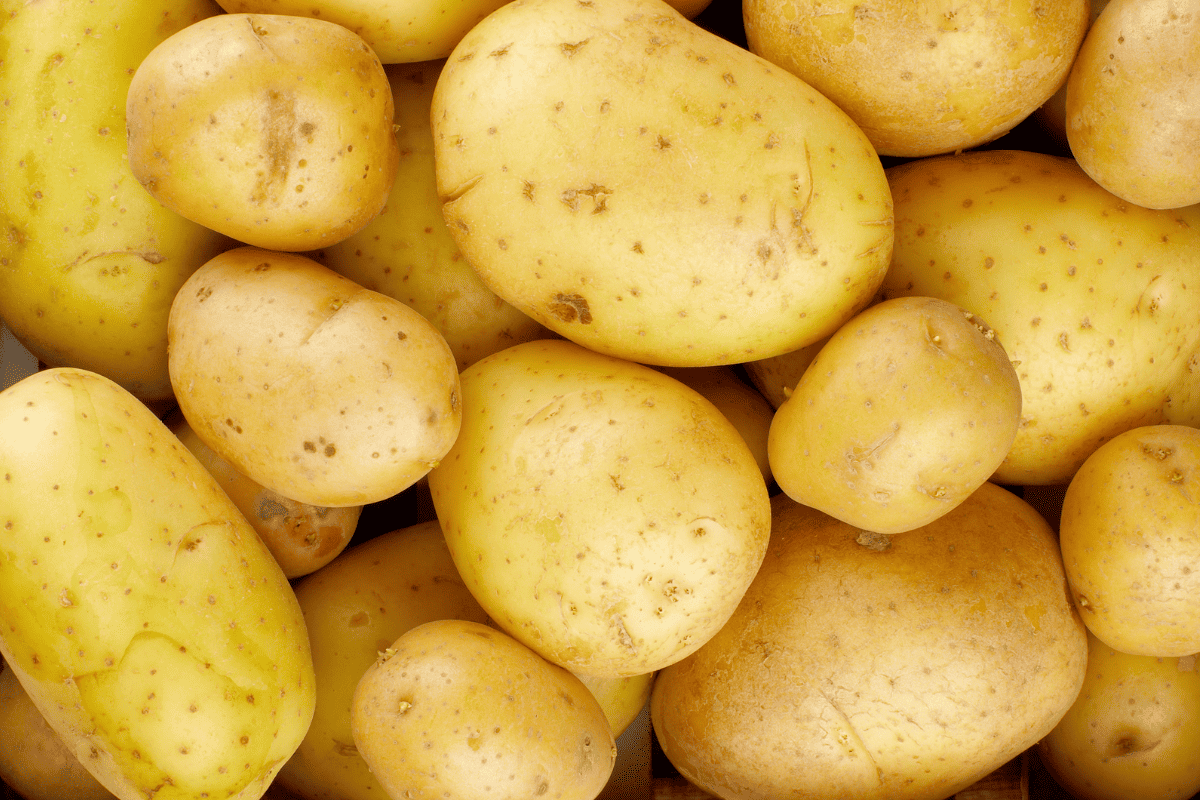
Yukon Gold and yellow potatoes have a few commonalities in their appearance. Their yellow flesh is one of the most prominent shared features distinguishing them from other potato types. They also have a thin skin that's relatively easy to peel, and they're medium-sized with a slightly oblong shape.
Despite slight differences in texture and color, these shared characteristics make them adaptable and relatively interchangeable ingredients in many recipes.
Nutritional Value
They are both excellent sources of essential nutrients like vitamin C and potassium, vital for maintaining good health, and dietary fiber, which helps promote digestive health. Both are also low in calories, with a medium-sized potato from each containing about 120 calories.
Cooking Methods
Yukon Gold and yellow potatoes can be boiled, roasted, mashed, or fried, providing adaptability to various recipes. They also have a relatively short cooking time, making them a convenient choice for quick meals.
Their firm texture also holds up well when cooked, especially for dishes that require a smooth consistency, such as mashed potatoes or potato salad.

Key Differences
Texture
Their differences in texture make them stand out in certain recipes, as Yukon gold potatoes have a smoother and creamier texture, while yellow potatoes are firmer. The smoother texture of Yukon makes them perfect for mashed potatoes and dishes that require a silky consistency, while the firmer texture of yellow potatoes works better in roasted potatoes or potato salad.
Flavor
These potatoes differ not only in texture but also in flavor, with Yukon gold potatoes having a buttery and slightly sweet taste, while yellow potatoes have a more subtle, earthy flavor. These flavor differences mean Yukon gold potatoes are a more preferred choice for recipes that require a rich and buttery taste, such as mashed potatoes or gratins.
Yellow potatoes, though, are ideal for recipes that require a more understated flavor, such as crispy potato wedges or garlic and herb smashed potatoes.
Where To Use Yukon Gold Potatoes?
Their smooth and creamy texture makes them an excellent choice for mashed potatoes, gratins, and soups. They are also preferred for dishes that require a velvety consistency, like casseroles and purees.
They can even be roasted or fried to create crispy and delicious potato wedges or fries, and with their buttery and richer taste than other potato varieties, they're just perfect for potato salad.
Yukon gold potatoes are an ideal pick when making classic Italian gnocchi, as their smooth and creamy texture provides a soft and pillowy consistency. Thanks to their buttery and slightly sweet taste, they are also a preferred option for making pancakes.
These potatoes can also be used in several breakfast dishes, such as hash browns or potato and egg breakfast tacos. The firm texture is one of the reasons for its use, as they hold up well when shredded. Yukon gold potatoes can even be used in stews and pot pies, providing a rich and hearty flavor to the dish.
When To Use Yellow Potatoes
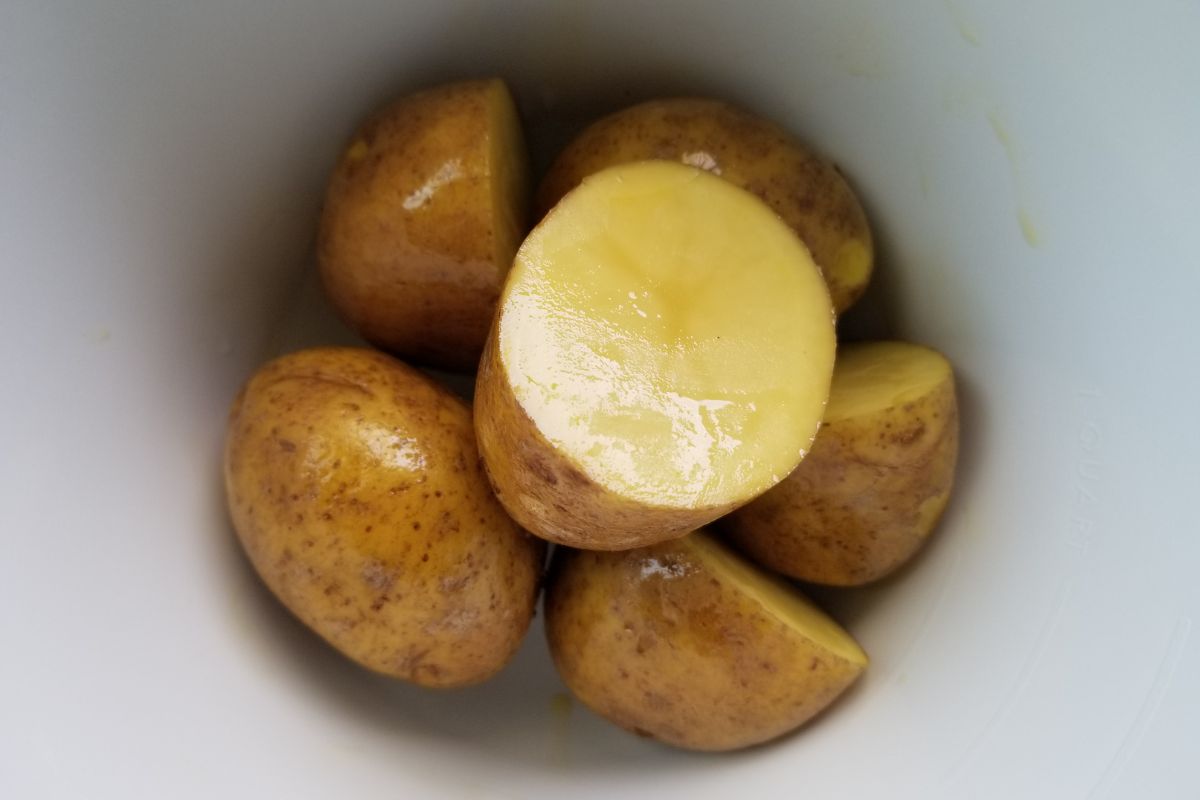
Yellow potatoes' firmer texture and milder flavor make them an excellent choice for roasted potatoes, where they can retain their shape and still provide a slightly sweet taste. They are also a preferred option for potato salad, adding a subtle flavor that can be combined with other ingredients. These potatoes can also be boiled and mashed to create a creamy and smooth texture perfect for dishes like shepherd's pie.
These spuds also make an excellent choice for preparing a Spanish tortilla, which features potatoes and eggs. Their firm texture allows them to hold up well when sliced and fried, creating a crispy exterior and a soft interior.
They're just right for making scalloped potatoes, which require thin potato slices layered with cheese and cream. The milder flavor of yellow potatoes complements the cheese and cream, resulting in a delicious dish.
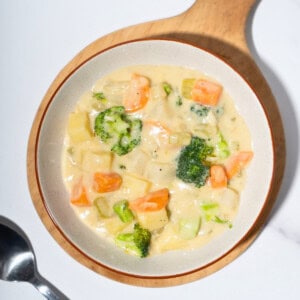
Yellow potatoes are also a popular choice for preparing potato soup, with other ingredients like bacon, cheese, and herbs coming together to create a hearty and flavorful soup. They can even be used to make oven-baked fries, which offer a healthier alternative to traditional fried potatoes.
Frequently Asked Questions
Yellow potatoes and Yukon gold potatoes have differences in texture and flavor, so substituting one for the other may alter the dish's taste and texture. Even though they can be used interchangeably in some recipes, it’s best to use the recommended potato variety in recipes that require a specific texture or taste.
Yellow potatoes and Russet potatoes are not the same. They differ in skin color, flesh color, texture, and taste. Substituting one for the other may affect the dish's taste, texture, and appearance, so it's best to stick to the recommended potato variety.
No, they aren't. Yellow potatoes are known for their firm texture, buttery taste, and yellowish skin, while white potatoes are recognized for their smoother texture, neutral flavor, and white skin.

Comments
No Comments