


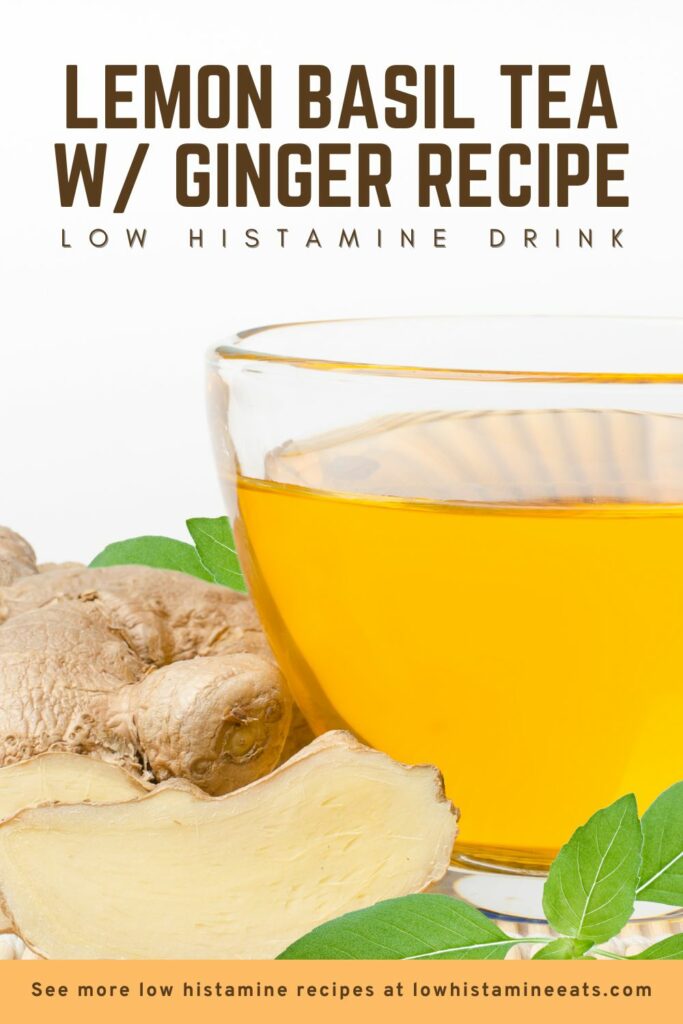
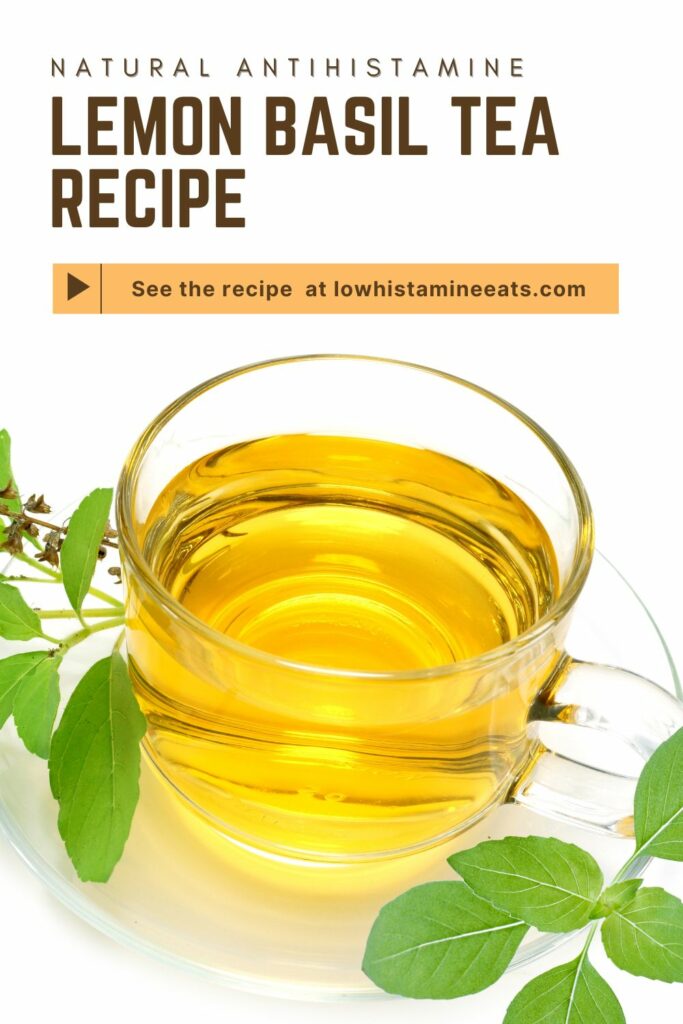
Wondering how to use up extra lemon basil from the garden? Try making some tea with lemon basil and honey! This aromatic combination is strongly antihistamine, compounded by the (optional) addition of another antihistamine herb: ginger root.
Figuring out how to make tea with lemon basil, ginger, and honey is as simple as following the proper ratios below.
For another simple low histamine tea, also try my iced ginger mint tea or holy basil tea.
Jump to:
✔️ Why This Recipe is Great
Super simple. Just like with my tulsi tea, it couldn't be easier to make and customize this tea with lemon basil, ginger, and honey. The lemon basil has an inherently mild lemon flavor that blends well with a variety of other herbs.
Natural antihistamine. You can make a huge variety of herbal low histamine teas, but the best ones for you will be those which make use of large amounts of fresh herbs. I even eat the basil leaves once I've finished my tea!
Easy to freeze. I grow lemon basil every year (it even popped back up on its own last year!), and making tea out of it is a great way to use up extra lemon basil. If you use just half the amount of water in the recipe, you can even turn it into ice cubes and enjoy it year-round!
🍯 Ingredients
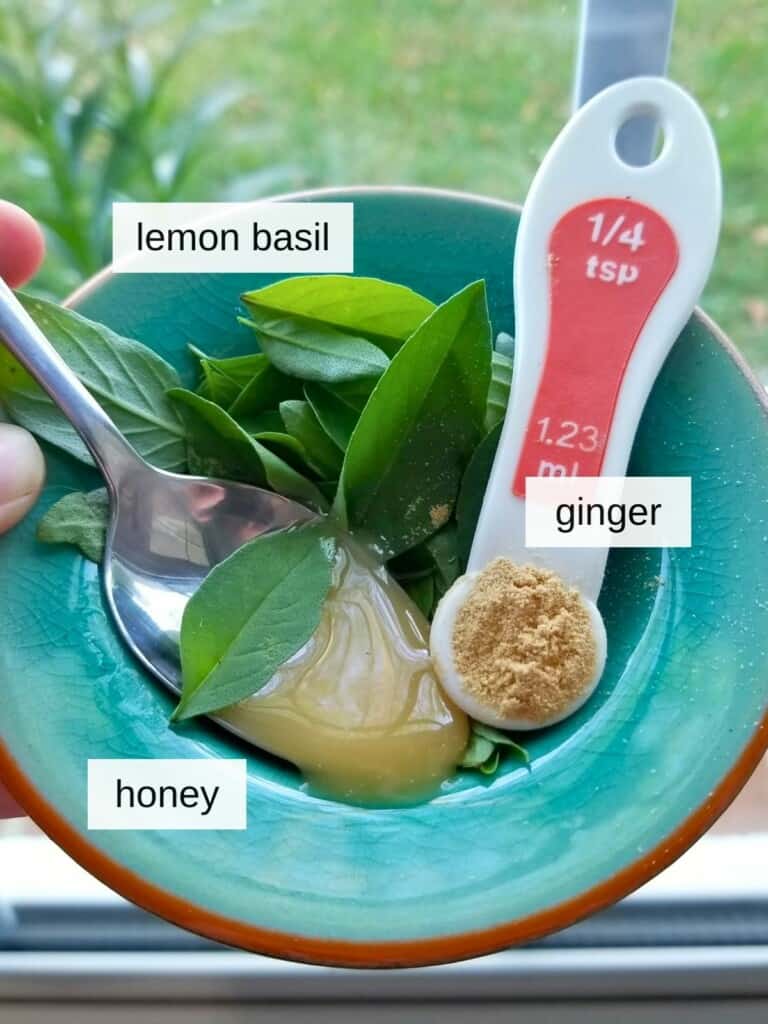
Lemon Basil: this type of basil is much smaller than the common sweet basil, more closely resembling mint leaves than the Italian Sweet Basil we use in pesto. We planted it one year, and it's come back up on its own every year since! I find that it tastes like a citrusy, more mild version of regular basil, very comparable in flavor to lemongrass, the essential oils so potent that it burns the tongue a bit when eaten uncooked.
Ginger (optional): possibly the best-known low histamine spice, ginger is the sharp, mildly sweet root of a flower; it’s been used for thousands of years in dishes both sweet and savory. If you don't like ginger, alternatives include mint, chamomile, sage, wild lavender, and galangal.
Manuka Honey (optional): there are a multitude of low histamine sweeteners you can use in tea, but by far my favorite is manuka honey. Not only is it great for the digestive system, but manuka honey has been proven to lessen allergy symptoms, like those of histamine intolerance. For an alternative, try my sugar-free simple syrup.
See recipe card for exact ingredients and quantities.
🍵 How to Make Lemon Basil Tea (Step-by-Step)
Step 1) Set 1 cup of water to boil on high, then wash your lemon basil and cut & peel your ginger (if using fresh).
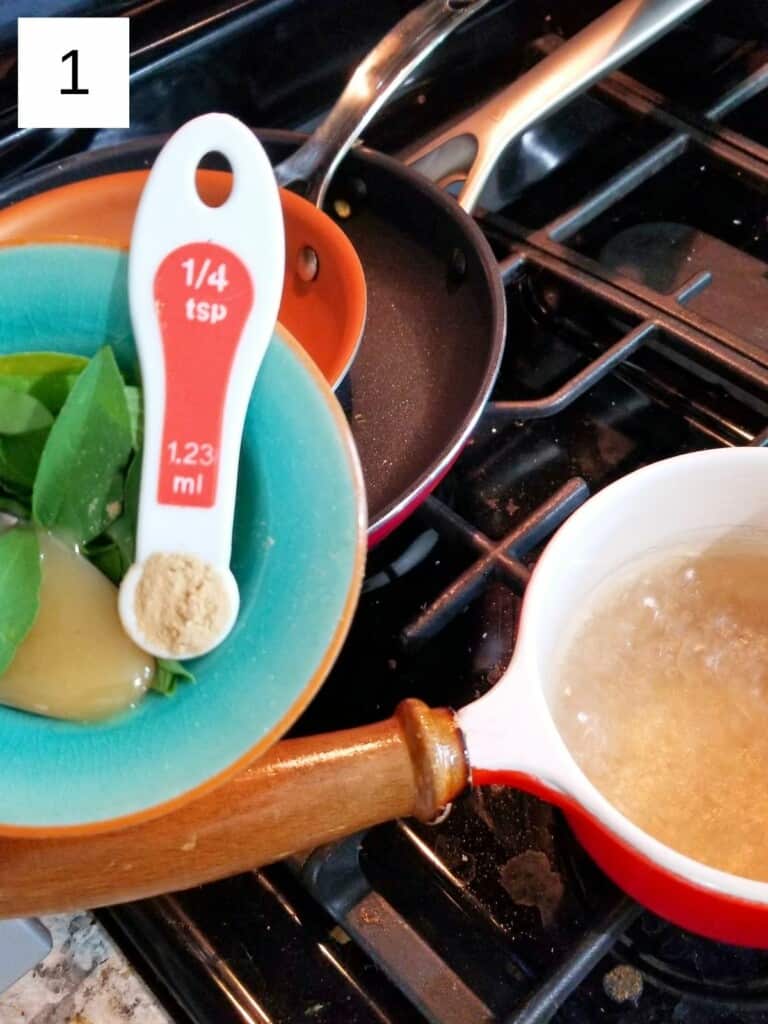
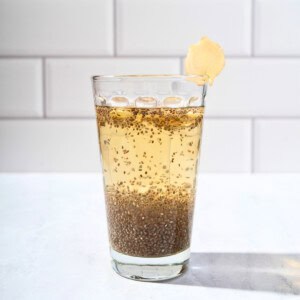
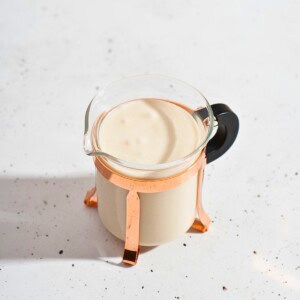
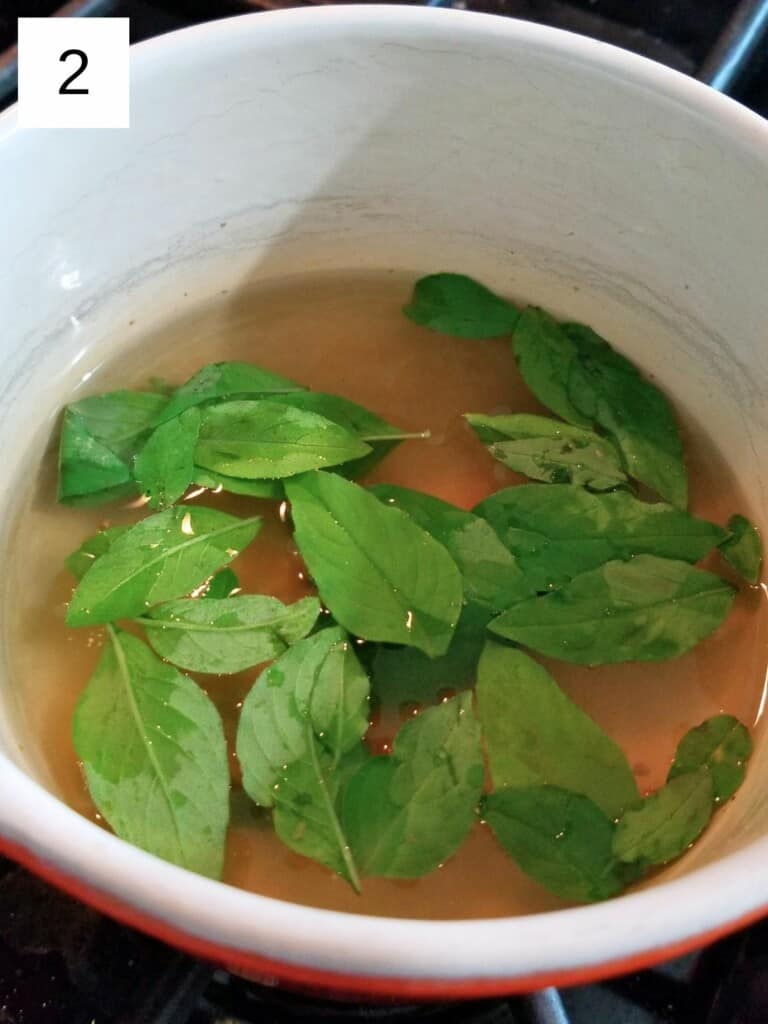
Step 2) Once the water is boiling (image 1), turn off the heat but leave the pot on the hot burner. Then chop or tear each leaf in half and add them to the pot, stirring them in to make sure they all get wet (image 2). Then put the lid on and let the mixture steep for 7-10 minutes; any longer and the tea will start to get bitter, due to the the essential oils in the lemon basil.
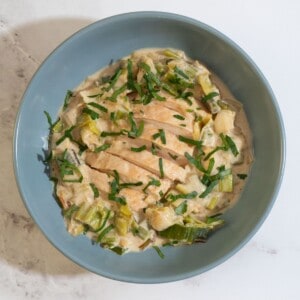
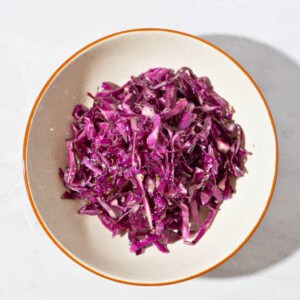
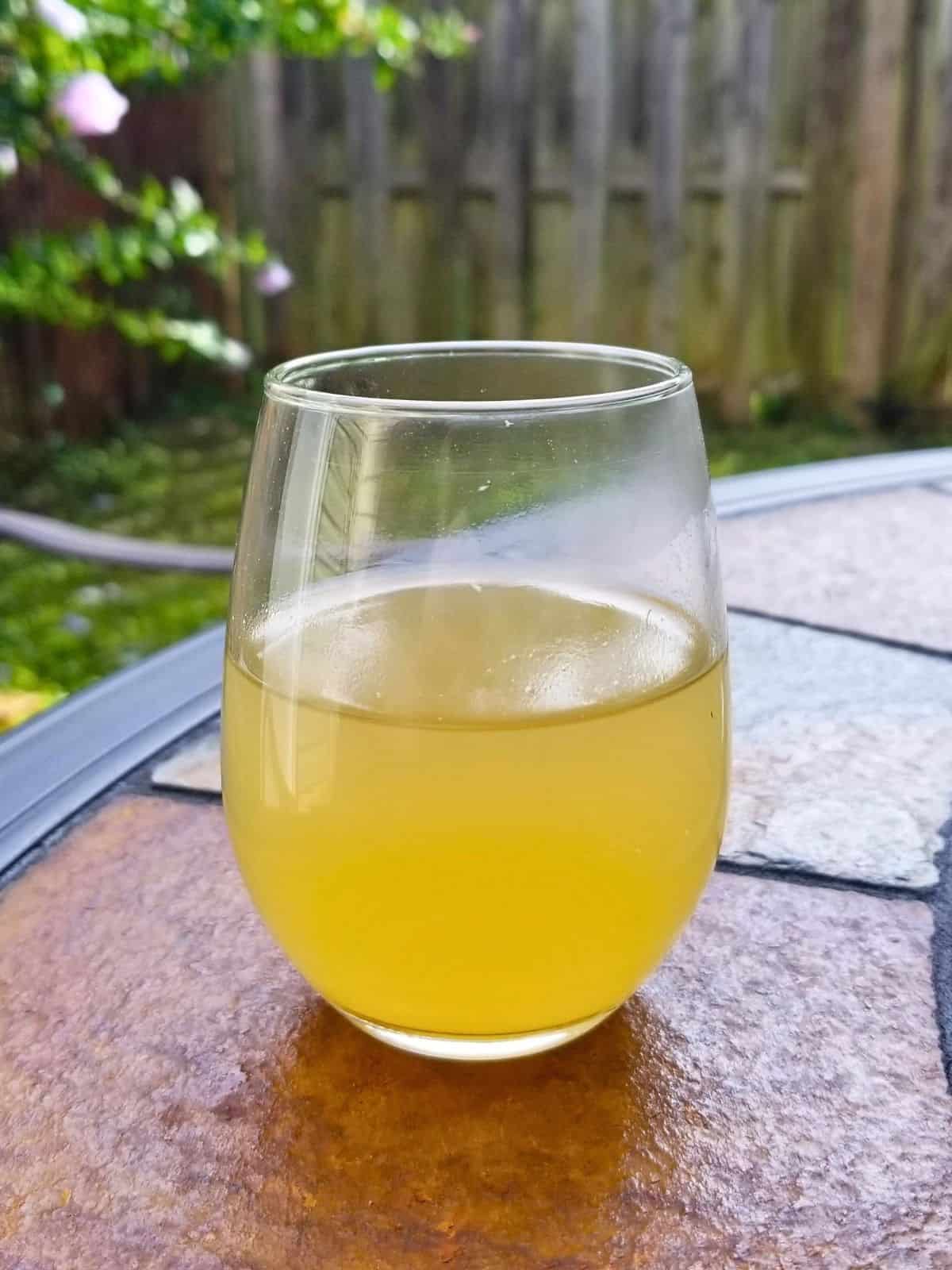
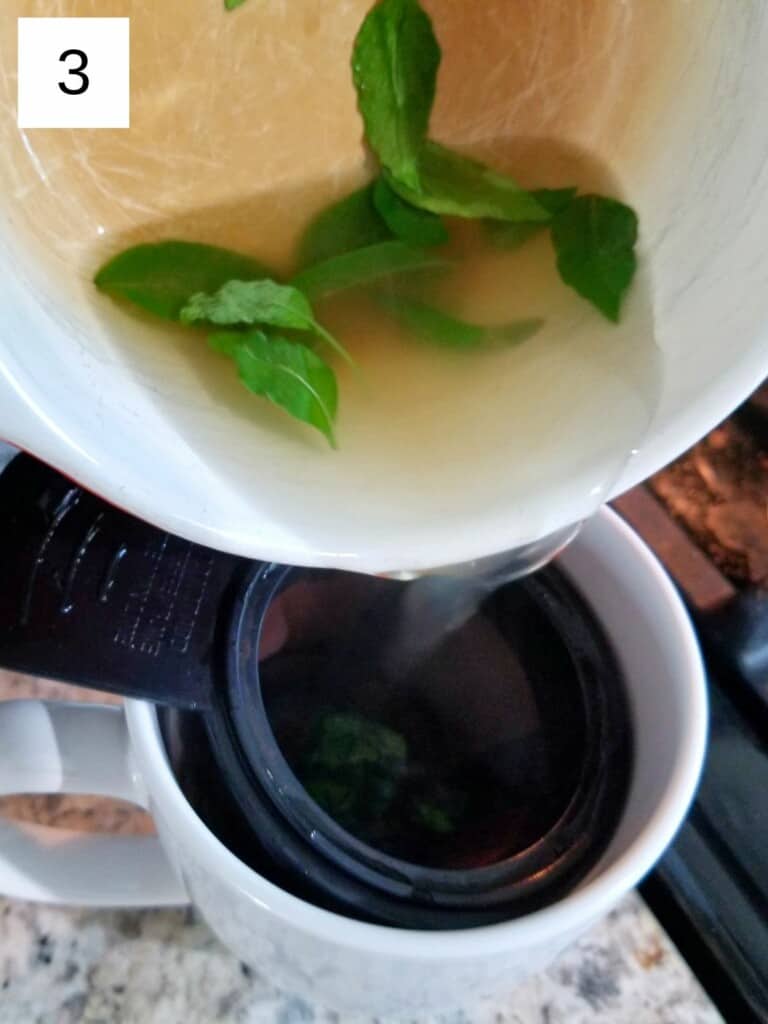
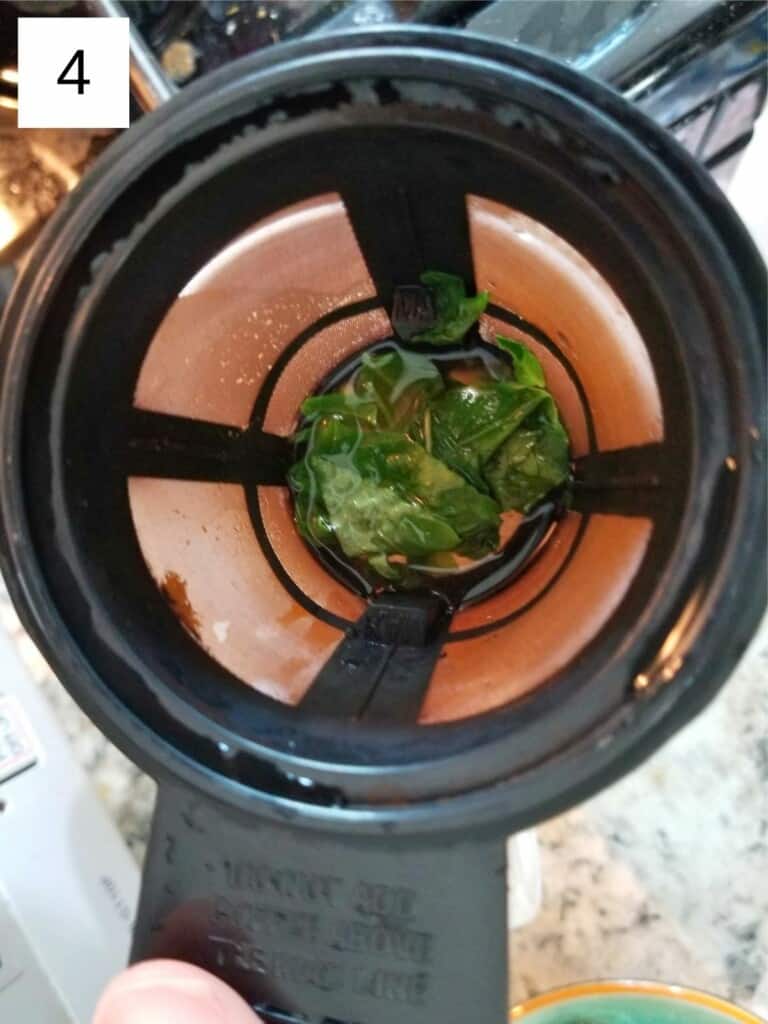
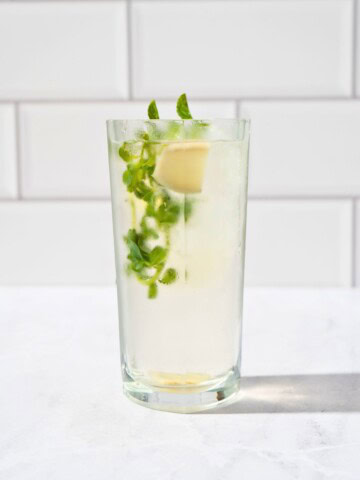
Step 3) Pour the hot mixture into a mug, straining it through a sieve unless you like to eat the leaves and ginger bits afterwards (for more nutrients; they don't taste like much, and they're sweet from the honey you're about to add!). Then stir in ½ to 2 teaspoons of manuka honey, and enjoy (images 3 & 4).
🍸 Variations
- Honey-Free Lemon Basil Tea: Skip the honey for a naturally soothing, sugar-free herbal tea.
- Ginger-Forward Tea: Double the ginger for extra warmth and digestive support.
- Iced Lemon Basil Tea: Let the tea cool completely, then serve over ice for a refreshing summer version.
- Stronger Herbal Brew: Add a few extra lemon basil leaves or steep 2–3 minutes longer for a more pronounced herbal flavor.
- Mild Citrus Note: Add a tiny splash of pear juice or a small piece of fresh pear (if tolerated) for gentle sweetness and brightness.
- Evening Calm Tea: Reduce the ginger and increase basil slightly for a softer, more relaxing cup.
🧊 Freezing and Storage
If you make two servings of this tea but decide you only want one, you can freeze the extra serving, though it will lose a bit of the flavor intensity. It will keep well in the freezer for up to 6 months, ideally in the form of ice cubes.
👨🏻🍳 Expert Notes & Tips
What does lemon basil taste like?
Lemon basil tastes lightly of lemon oil with herbal undertones, like a cross between lemongrass and sweet basil. It has a very biting sting when eaten raw, so I'd always recommend consuming it cooked or otherwise added to a warm dish.
How long does lemon basil tea last?
You can make this tea ahead of time and keep it covered on the stove for an afternoon, but any longer and I'd turn it into ice cubes to reheat when I'd like more tea.
Can I skip the ginger, or use a different herb?
Yes! You can make lemon basil tea with just the lemon basil leaves, or you can add any type of complementary herb or sweetener to the brew. I recommend either mint, chamomile, or another member of the Lamiaceae family, particularly rosemary or lavender.
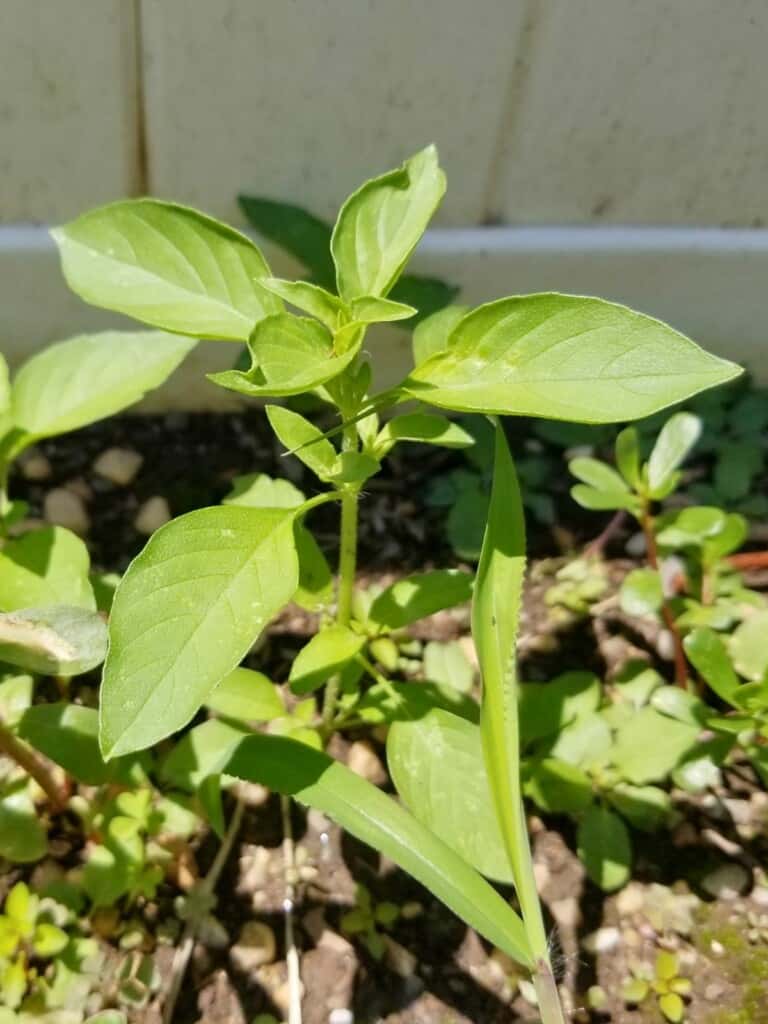
🌿 What To Do With Lemon Basil
- use it as a base for a quick sauce
- throw it into a veggie stir-fry with garlic & ginger
- turn it into a simple pesto
- chop it up and layer it onto salmon or other tolerated seafood
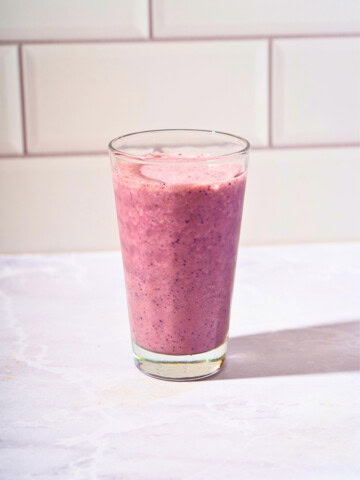
- substitute it for sweet basil in recipes like this nice cream, which benefit from lighter flavors
❓ What to Serve With Lemon Basil Tea
🙋 Frequently Asked Questions
Yes — when made fresh with lemon basil, ginger, and water, this tea is naturally low histamine and best enjoyed right away.
Absolutely — dried lemon basil works well; just use about 1–2 teaspoons since dried herbs are more concentrated.
Yes — allow the tea to cool completely, then refrigerate briefly or serve over ice for a refreshing iced version.
It’s light, herbal, and gently citrusy with warming notes from the ginger.

Have you tried this recipe?
If you like the recipe, please leave a 5-star ⭐️⭐️⭐️⭐️⭐️ rating on the recipe card, or even a comment! I love to hear how your recipes turned out, and your feedback can help other readers! Also join us on Instagram, Facebook & Pinterest.
📖 Recipe
How to Make Tea With Lemon Basil
Ingredients
- 1 Cup water
- small handful lemon basil leaves ~20 leaves
- ¼ teaspoon ground ginger or thin slice fresh ginger
- 1 teaspoon honey
Instructions
- Boil 1 cup of water, then once boiling, turn off the heat and throw in the lemon basil leaves & ginger.
- Steep the mixture for 7-10 minutes; any longer and the tea will start to get bitter.
- Strain the tea through a tea strainer if you mind the leaves or ginger bits, and then stir in the honey and enjoy!
Notes
Nutrition
Save this post for later!
Comments
No Comments